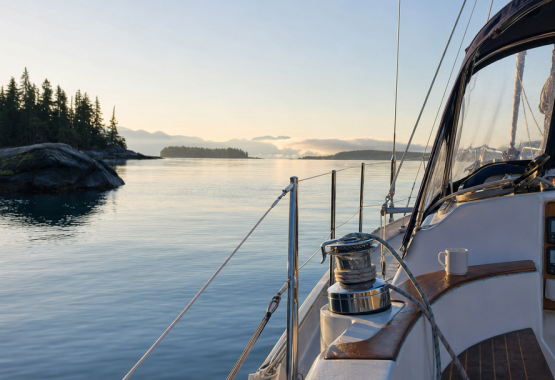
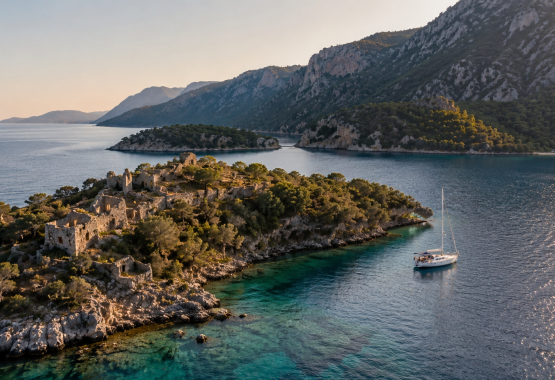
You've arrived at the island, disembarked, and plan to stay there until tomorrow. But if the yacht is anchored, you first need to make sure the wind and current won't move it, and if the weather worsens, you can return aboard.
Over two months and approximately 1,300 nautical miles, yachting offered the owner not only the opportunity to replace his home and travel, but also a slow, expensive lifestyle with constant responsibility. Voyages of up to 12 hours, moorings, seasonal plans, and technical issues forced him to question whether he was willing to spend most of his time on board and pay for boat maintenance for the sake of freedom of movement.
Why Sailing on a Yacht Can Be Slow and Monotonous
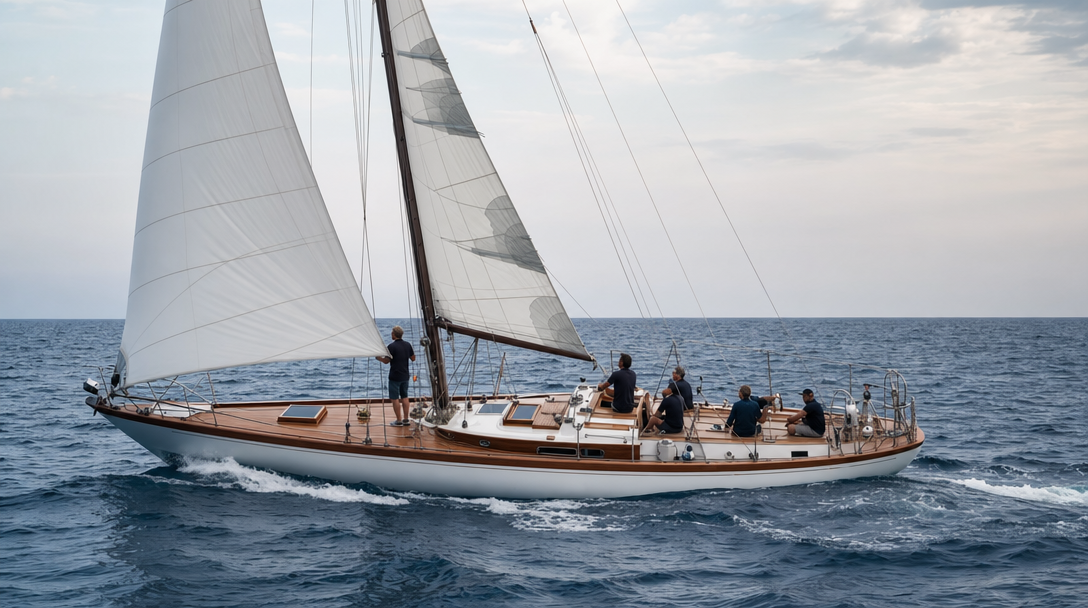
The first disappointment with yachting was the pace. The anticipation of a dynamic journey gave way to hours of motion during which almost nothing around changes: the sea or ocean, the water, and the crew on board.
A voyage of about 12 hours can feel like a long stay in one place. During shifts, books, TV series, and conversations with the crew remain—if the company helps to liven things up. The sense of travel returns only after arriving at an island or a new anchorage.
This pace isn't for everyone. Before buying, ask yourself: will you be comfortable spending many hours in a confined space, when your main activity is watching the boat move and waiting for the next stop?
Why anchoring doesn't mean complete relaxation
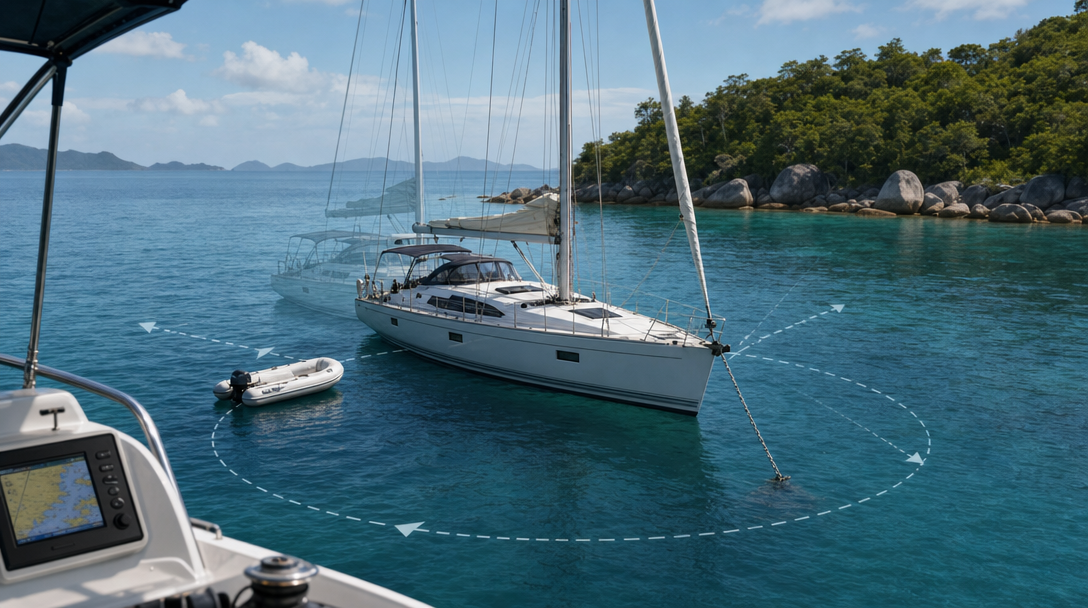
Upon arrival at the island, the task of abandoning the boat arises. Anchoring allows this to be done without a mooring, but this does not relieve the owner of control. One time, a yacht was torn from its moorings: instead of crashing onto the rocks, it began drifting and then stopped.
At anchor, the boat reacts to wind and current. It rotates around the anchor, and waves from passing ships or the open sea make its movement noticeable even at night. When the boat begins to drift, the GPS software triggers a signal, prompting the boat to go out and check its position.
This monitoring can be repeated during sleep: if all is well, you can lie down again, but you can't completely forget about the boat. The experiment in question also mentions a second anchor as an additional measure for a specific mooring scenario. The anchor itself, however, does not replace the need to monitor the yacht.
The journey to shore is made via a dinghy—a small boat that connects the yacht to the island. The excursion ends with a return to the boat: the condition of the anchorage and the forecast limit the time one can spend away from the boat. This is where the challenges of yacht life come into play: an interesting spot is nearby, but leaving the vessel unattended for long is impossible.
How much does it cost to keep a boat and why does a yacht become a constant expense?
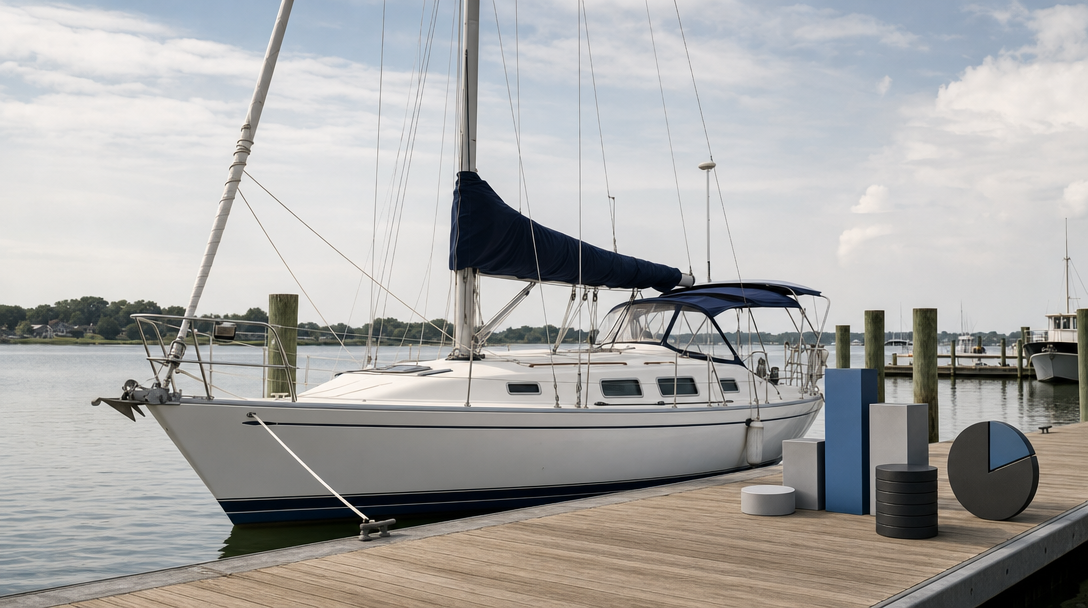
A marina is a private area with docks where a boat is left when the owner goes cruising the coast or islands. This option alleviates some of the hassle of mooring, but adds regular fees. In Europe, pricing is typically calculated by the meter, while in the US and the Caribbean, it's by the foot.
| Condition | Landmark | What does this change? |
|---|---|---|
| Tariff calculation | $1-2 per foot | The size of the boat directly affects the cost of the place. |
| Parking in the marina | $20–$60 per day | The range depends on the size of the boat and the conditions of the specific location. |
| Owner experience | About $30 per day | A week of island hopping does not cancel the seat payment. |
| Monthly target | About $900 | Parking becomes a separate permanent budget item |
For a 36-foot boat, the marina in this experiment was about the same cost as a hotel, except you had to pay for the yacht's safety. If you're away for a week, the daily charges continue. Before buying, it's worth weighing two scenarios: living on the boat and saving on accommodation, or traveling off-board and paying for mooring.
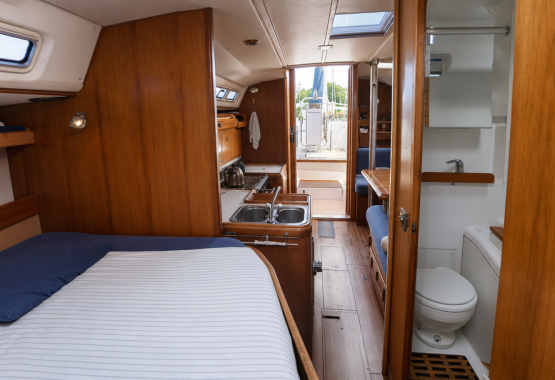
At the same time, a yacht can be a home: things stay in their place, the familiar space is preserved, and housing costs can be reduced. Yachtsmen have been known to live on $200–$300 a month, but this lifestyle entailed a slower pace and limited travel. This is one possible scenario, not a calculation for every owner.
Weather and seasonality force us to change our plans
The comfort of a yachting voyage depends heavily on the weather. In this experiment, ideal conditions were rare: in winds of around 20 knots, the boat was traveling at 7-8 knots and heeling heavily. Cooking and moving around on board became difficult and uncomfortable.
Strong winds also affect mooring. Even when the yacht is not moving, it rolls noticeably at anchor, and waves make for a choppy experience. Therefore, it's important to analyze the forecast before setting out and while moored in the marina or at anchor.
If a yacht is anchored and the weather forecast predicts worsening weather, it's impossible to just go for a stroll. You need to stay close to the boat and be aware of how its position will change. For the owner, this has become another constraint: the route is determined not only by the desire to see a new place but also by the conditions under which the boat can remain there.
Hurricane Season and Boat Locations
Seasonality is particularly noticeable in the Caribbean. Winter is associated with the opportunity to travel around the region, while summer marks the start of hurricane season. The comfortable period is estimated to last approximately four to five months, after which it's necessary to decide in advance where to move the boat, whether to seek a more sheltered anchorage, or to pay for a marina.
This plan should be thought out before purchasing. If you stay in the region for a longer period, the boat remains part of your itinerary and budget: you'll either need to keep it nearby or pay for a berth. The future owner will have to decide where the yacht will be located after the end of the season and whether they're willing to change their itinerary for the boat.
Owning a yacht means constant technical and household responsibilities.
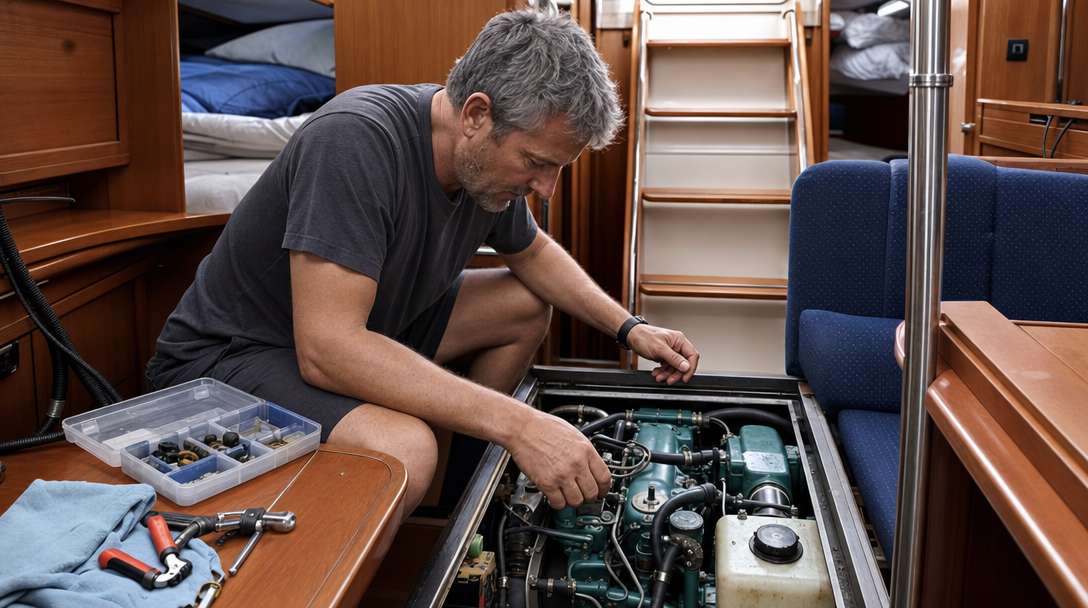
The next challenge is anticipating a breakdown. Even new boats can experience unusual noises or changes in equipment operation, forcing you to investigate the cause. Repairs and spare parts are expensive in yachting, so making plans for the coming days without considering the boat's technical condition is impossible.
The owner monitors equipment, spare parts, and components that could become weak points. Saltwater affects electronics and equipment, while ultraviolet radiation affects sails and ropes. When moored outside the marina, there are additional issues related to autonomy: water, battery charging, and storing and protecting the dinghy.
One such incident occurred while exiting the fairway near the breakwaters: the engine stalled, the boat was rocking violently, and the wind was headwind. The owner attempted to start the engine and pump the fuel, knowing that if he failed, the yacht could drift onto the rocks.
This responsibility continues both during transit and at anchor. It's important to notice the problem, identify the repairs, and decide what can be done independently and what will require assistance. Constant yacht repairs become a part of ownership, which the future owner should incorporate into their daily life.
How to try sailing before buying a boat
After two months and approximately 1,300 nautical miles, the owner hasn't concluded that yachting isn't for everyone. For him, owning a boat proved too much of a permanent responsibility given his current desire to travel faster and see more. However, a yacht can become a home and reduce housing costs if one is comfortable living in a secluded space and rarely changes moorings.
Buying a yacht shouldn't be the first step toward trying out this lifestyle. It's worth trying out sailing with other sailors, joining someone else's crew and sharing expenses, or chartering a boat. You need to test not only the voyage itself, but also the onboard environment, overnight stays at anchor, dependence on the forecast, the return from shore, and your willingness to be responsible for the boat.
Before deciding whether to buy a yacht for living, it is useful to answer four questions:
- Am I prepared to spend most of my time on board and live in a confined space?
- Am I comfortable with the slow pace of the transitions and the route's dependence on the weather and season?
- Will I be able to pay for mooring if I leave the boat and factor this expense into my budget?
- Am I prepared to take care of the yacht's technical condition and respond to breakdowns?
If the answers aren't yet clear, it's smarter to try sailing in real-life conditions before buying a boat. The difference between wanting to cruise on a yacht and being ready to be a boat owner is evident in everyday details: mooring, rocking, repairs, and the need to return to the boat.