
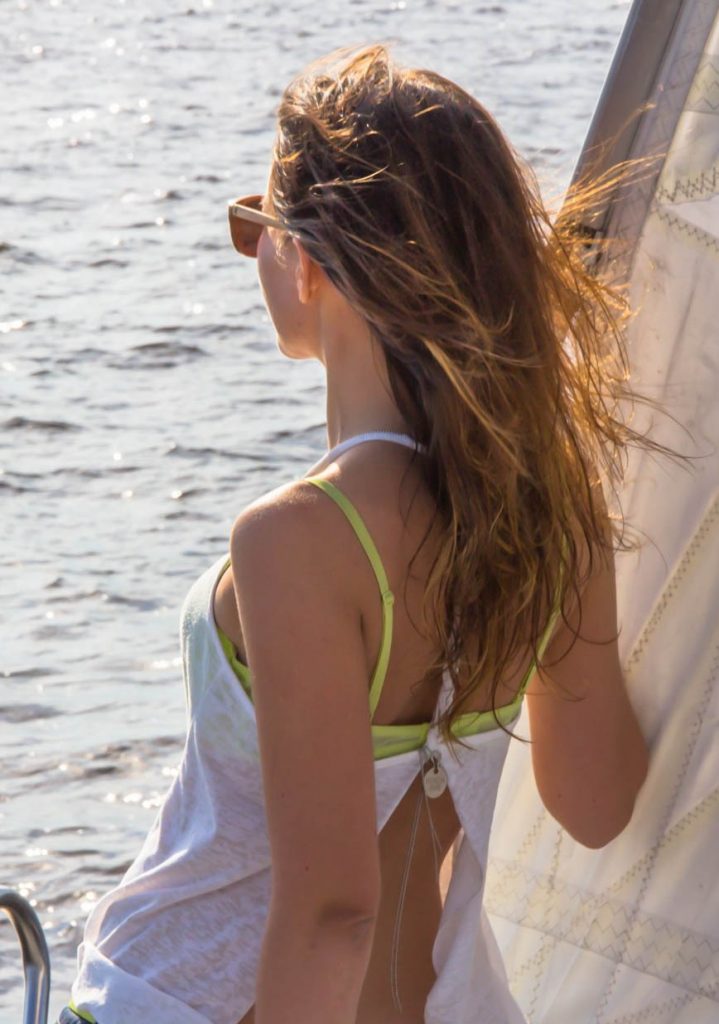
Russia offers yachtsmen a wide variety of waters—from the Gulf of Finland and the Black Sea to major rivers, reservoirs, and northern lakes. Here, you can choose from a short cruise along the city's coastline, a training trip with an instructor, a multi-day cruise between islands, or a longer route along inland waterways.
The main sailing centers remain St. Petersburg, the Black Sea coast, and the Moscow region. For longer voyages, the Volga, Lake Ladoga and Onega, Karelia, and Lake Baikal are attractive. Conditions vary significantly: in the south, the season is longer, in the northwest, variable weather and navigational restrictions are significant, and on large lakes, crews face real waves and significant distances between anchorages.
Yachting in St. Petersburg and the Gulf of Finland
St. Petersburg is one of the main centers of Russian yachting. The city boasts sailing schools and yacht clubs, training sessions, amateur regattas, and sea trials. With access to the Gulf of Finland, sailors can begin with short routes within the Neva Bay and then move on to more challenging voyages along the coast.
Navigating in the St. Petersburg area requires attention to fairways, bridges, commercial shipping, and established traffic regulations. Before setting out, the captain checks the forecast, the accessibility of the chosen route, and any restrictions in the waters.
Neva Bay and Kronstadt
The Neva Bay is ideal for first sailing trips, training, and learning how to handle a sailboat. From the water, you can enjoy views of the city's coastline, the dam, forts, and Kotlin Island.
Kronstadt often becomes a key stop along the route. The crossing allows for practice in navigating the designated channels, sail management, and crew management in busy waters.
Forts of the Gulf of Finland
Around Kronstadt and in the eastern Gulf of Finland are naval forts, clearly visible from the water. They can be included in daytime itineraries, combining sailing with a tour of historical structures.
Approaching certain objects isn't always possible, so the captain checks in advance for current restrictions, depths, and safe distances. Water conditions and weather in the bay can change quickly, even during a short excursion.
Vyborg Bay and skerries
For a longer journey, head towards Vyborg Bay. The coastline here becomes more indented, with islands, narrow straits, and rocky coastal areas appearing.
Routes among the skerries are interesting from a navigational perspective. The crew works with a chart, monitors depths, and navigates between islands, choosing suitable anchorages based on wind conditions and weather forecasts.
Yachting on the Black Sea coast of Russia
The Black Sea coast attracts visitors with its longer warm season, mountainous landscapes, and the opportunity to spend a lot of time on the open sea. Routes run along resort towns, rocky headlands, wide bays, and sections of the Caucasus coastline.
Despite its southern climate, the Black Sea isn't always calm. Wind and wave height can change quickly, and convenient natural anchorages are limited. Therefore, passages are planned taking into account available ports, distances, and alternate routes.
Sochi and the southern coast
Sochi is ideal for short boat trips, training, and the beginning of trips along the southern Russian coast. From the water, you can see the mountain slopes, city embankments, and resort areas stretching along the shore.
During the outing, the crew can learn the basics of yacht handling, sail setting, and division of responsibilities. More experienced participants opt for longer voyages with watchkeeping and open-sea practice.
Gelendzhik and Novorossiysk Bay
Gelendzhik is located on the shores of a large bay surrounded by low mountains. The waters are suitable for daytime sailing and sailing training, but local wind conditions should be taken into account when planning your route.
Novorossiysk Bay is known for its active shipping traffic and requires particularly careful navigation. In this area, captains study the traffic regulations, wind forecast, and the possibility of safe entry into port in advance.
Anapa and the northern part of the coast
Near Anapa, the mountainous terrain gradually gives way to a more open coastline and long beaches. There are fewer natural bays here, so yachts are more dependent on sea conditions and the availability of equipped moorings.
Routes along the northern coast are suitable for seamanship and long voyages. The crew learns to calculate travel times in advance, monitor weather changes, and select an alternate port.
Yacht routes along the rivers and reservoirs of Russia
Inland waterways offer opportunities for yachting far from the coast. Large rivers, canals, and reservoirs form long routes, interspersed with locks, towns, islands, forested shores, and equipped anchorages.
This type of voyage differs significantly from a sea cruise. The crew takes into account currents, depths, bridge heights, lock operations, and the movement of other vessels. At the same time, inland waters are often suitable for training and gradual gaining of experience.
Moscow and the reservoirs of the Moscow region
In the Moscow region, yachting is concentrated on the reservoir system and the Moscow Canal. Training sessions, amateur competitions, and short cruises between yacht clubs and coastal anchorages take place here.
The Klyazminskoye, Pestovskoye, Pirogovskoye, and other reservoirs offer opportunities to practice yacht handling, turning, sail setting, and mooring. Short distances and well-developed coastal infrastructure make the region convenient for regular practice.
Volga and Upper Volga reservoirs
The Volga offers opportunities for multi-day journeys between cities and large reservoirs. Routes can be planned via Dubna, Uglich, Rybinsk, and other points along the Upper Volga.
In the wide reaches of the reservoirs, conditions resemble those at sea: the wind whips up noticeable waves, and the opposite shore is sometimes hidden from view. The crew must also take into account locks, navigational aids, and the peculiarities of river traffic.
Rybinsk Reservoir
The Rybinsk Reservoir is distinguished by its large surface area and significant distances between its shores. It offers opportunities for long-term training, route planning between cities, and experience in strong winds and waves.
Before setting out, it's important to identify potential anchoring spots and monitor the forecast. Weather on large, open bodies of water can change more quickly than on smaller reservoirs near Moscow.
Yachting in Karelia and on the northern lakes
Karelia attracts with its islands, skerries, forested shores, and the opportunity to spend a few days away from major cities. The main sailing routes pass through Lake Ladoga and Lake Onega.
These waters require serious preparation. The lakes are large, with short, steep waves, and the weather can change quickly. In remote areas, it's essential to plan ahead for water, fuel, and food supplies.
Lake Ladoga and the Ladoga skerries
The northern part of Lake Ladoga is known for its numerous islands, narrow straits, and rocky shores. The route through the skerries allows for alternating open-water passages with stops in sheltered bays.
Navigating among the islands requires careful chart reading and depth monitoring. Not every bay is suitable for a particular wind direction, so overnight locations are chosen based on the actual weather conditions.
Lake Onega
Lake Onega is ideal for long-distance sailing between Petrozavodsk, the islands, and the northern regions of Karelia. Its large, open waters allow for extensive sailing practice.
The trip may include island anchorages, small settlements, and natural bays. The duration of the passage depends on the wind, lake conditions, and the distance to the next safe stop.
Yacht trips on Lake Baikal
Baikal is a unique destination with unique weather and navigation conditions. The lake's vast surface area, mountainous shores, and rapidly changing winds make the journey akin to a cruise on an inland sea.
Routes run along the western and eastern coasts, passing through straits, bays, and islands. Distances between anchorages can be considerable, and the water temperature remains low even in the warmer months.
Maloye More and Olkhon Island
The Maloye More is located between the western shore of Lake Baikal and Olkhon Island. This waterway is known for its rocky capes, bays, islands, and dramatic steppe landscapes.
Here, a multi-day itinerary can be planned, with passages between sheltered bays. However, even in the Small Sea, the crew must be prepared for sudden wind increases and rapidly changing water conditions.
Open Baikal
Exiting from the protected straits into the open waters of Lake Baikal requires experience and careful preparation. Waves, cold water, and the remoteness of coastal infrastructure place increased demands on the yacht, equipment, and crew.
These routes are suitable for experienced participants who are already familiar with watchkeeping, navigation, safety, and life on board during a long voyage.
Yachting in Russia for Beginners
You can begin your sailing journey with a short excursion of a few hours or a training cruise lasting one or two days. Sheltered areas of the Gulf of Finland, reservoirs near Moscow, and some areas of the Black Sea coast are suitable for initial lessons.
On board, participants become familiar with the yacht's design, learning how to set and lower the sails, maintain course, make turns, and handle mooring lines. All activities are supervised by the captain or instructor.
After acquiring basic skills, you can move on to multi-day routes, night passages, and watchkeeping practice. The specific water area is selected based on the season, skill level, and the purpose of the trip.
What is a yacht trip like?
Before setting out, the captain checks the weather forecast, the yacht's technical condition, and the upcoming route. The crew receives instructions, assigns responsibilities, and prepares the vessel for departure.
During the voyage, participants manage the sails, maintain course, monitor navigational conditions, and take turns keeping watch. On inland waterways, they also have to consider locks, bridges, and river traffic.
In the evening, the yacht moors at a yacht club, port, or remains in a suitable bay. The actual route may change due to wind, waves, navigational restrictions, or the unavailability of the planned anchorage.
Choose a yacht cruise in Russia
Choose the perfect trip and explore the Gulf of Finland, the Black Sea coast, the Volga River, the lakes of Karelia, or the vast expanses of Lake Baikal under sail.