
France offers some of the most diverse sailing itineraries in Europe. In the south, you can cruise along the Côte d'Azur, visit the bays of Provence, and explore the coast of Corsica. In the west, sailors can explore the Atlantic Ocean, the islands of Brittany, strong tides, and genuine seamanship.
River and canal cruises are a separate category. The Canal du Midi, the inland waterways of Burgundy, and other routes allow you to see French cities, vineyards, and small villages from the water. Thanks to such a variety of options in France, you can choose from a relaxing captained cruise to a route for an experienced crew.
Yachting on the Cote d'Azur
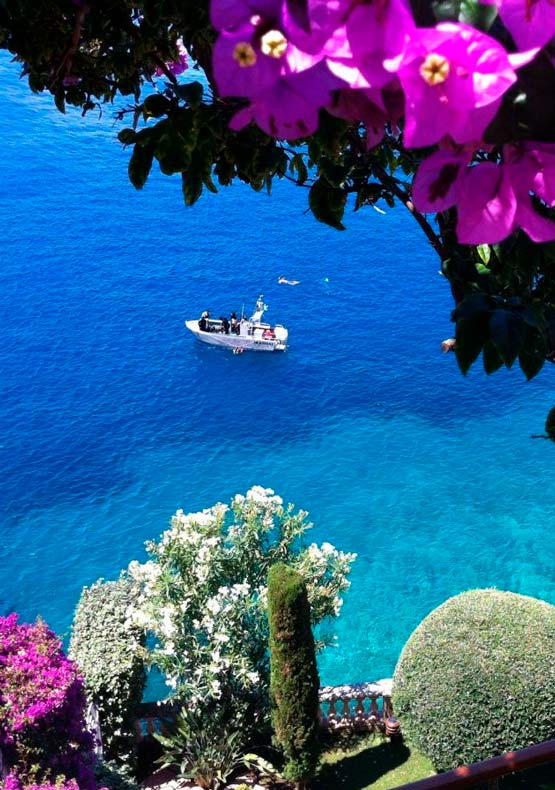
The Côte d'Azur is France's most famous yachting region. Its coastline stretches along the Mediterranean Sea from the Italian border toward Toulon and Marseille. It boasts large marinas, resort towns, small bays, and islands, making it easy to plan a week-long itinerary.
A voyage along the French Riviera allows you to alternate sailing with strolls through old towns, anchorages near beaches, and evenings at seaside restaurants. However, popular ports can be busy during peak season, so the captain plans the overnight stay in advance.
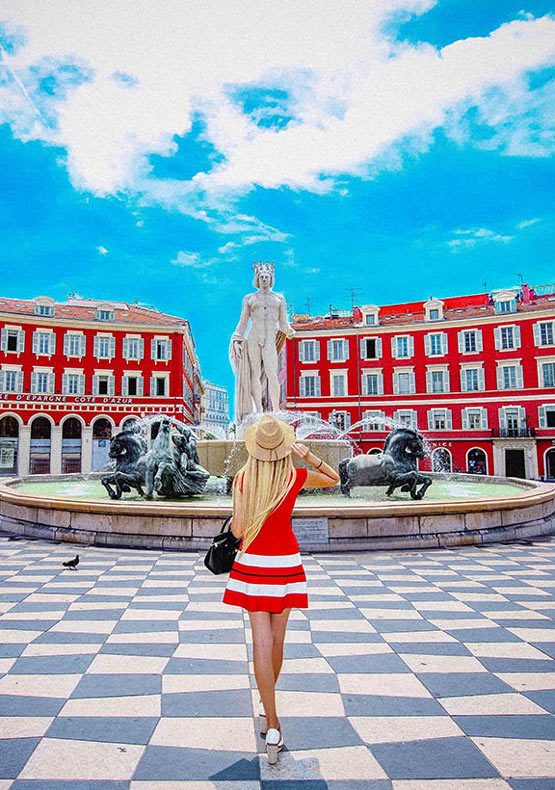
Nice, Villefranche-sur-Mer and Monaco
Nice can be the starting point for a short or multi-day trip along the eastern part of the Côte d'Azur. After leaving the port, the route passes along the Baie des Anges, the city's embankments, and rocky headlands.
Nearby is the deep bay of Villefranche-sur-Mer, surrounded by hills and old towns. Further east are Cap Ferrat, Menton, and the Principality of Monaco. The route is packed with activities, while the distances between the main points remain relatively short.
Antibes and Cannes
Antibes is considered one of the main yachting destinations on the French Riviera. Situated between Nice and Cannes, the town's old port boasts historic quarters, ramparts, and the Cap d'Antibes peninsula.
Cannes is known for its Croisette, large port, and festival atmosphere. Opposite the city are the Iles de Lérins—Sainte-Marguerite and Saint-Honorat. They make a convenient itinerary for a daytime stop, a swim, and a stroll along the shore.
Saint-Tropez and the Esterel Coast
Between Cannes and Saint-Tropez, the coastline runs along the reddish cliffs of the Esterel Massif. Small bays, rocky headlands, and the contrast between the green slopes and the blue sea make this stretch particularly striking.
Saint-Tropez can be included in the itinerary as a busy city stopover. The crew can choose to remain in one of the nearby ports or anchor off the coast, depending on wind, water depth, and current regulations.
Sailing routes along the Provence coast
West of the Côte d'Azur begins the Provençal coastline. Here are Toulon, the islands of Hyères, Marseille, Cassis, and the Calanques National Park. Routes pass between major ports, rocky coves, and natural areas.
The weather in this area can change quickly under the influence of the mistral. Before setting out, the captain checks the wind direction and strength, selects a sheltered anchorage, and adjusts the passage if necessary.
Toulon and Hyeres Islands
Toulon is located near a large natural harbor and is a great starting point for a trip along Provence. To the east are the Giens Peninsula and the Hyères Islands: Porquerolles, Port-Cros, and Levant.
Porquerolles attracts visitors with its beaches, cycling routes, and a small port. Port-Cros is known for its natural landscapes and protected waters. A visit to the islands should be planned taking into account environmental regulations, the availability of anchorages, and wind direction.
Marseille and the Frioul Islands
Marseille is one of the Mediterranean's main port cities. A yacht trip can begin near the Old Port and then head to the Frioul Islands, the Côte Bleu coast, or Cassis.
The Friulian archipelago is located near the city and is suitable for a short crossing. From the water, you can enjoy panoramic views of Marseille, the Citadelle d'If, and the rocky islands separating the city harbor from the open sea.
Calanques of Marseille and Cassis
Between Marseille and Cassis lies a coastline of calanques—narrow bays surrounded by high, light-colored cliffs. Many of these are best explored from the water, but suitable anchorages are limited.
The waters are designated a national park. The captain must adhere to the rules of passage and anchorage, landing restrictions, and seabed protection requirements. During peak season, many pleasure boats frequent the more famous bays.
Yachting in Corsica
Corsica combines mountainous landscapes, rocky shores, clear waters, and long stretches of virtually undeveloped coastline. The island is ideal for both week-long cruises around a specific region and extended trips around a significant portion of the coastline.
Distances between major ports can be significant, and the number of fully protected anchorages depends on the chosen section. The route around Corsica requires careful attention to the forecast and a willingness to change plans if the wind picks up.
Ajaccio and the west coast
Ajaccio is located in a large bay on the west coast of Corsica. From here, you can sail north toward the Gulf of Porto or south along rocky headlands and small coves.
The west coast is known for its high mountains, reddish cliffs, and natural areas that are particularly striking from the sea. Anchorage here is chosen based on wind direction and the ocean swell coming from the western Mediterranean.
Calvi and the Gulf of Porto
Calvi is located in the northwest of the island and is known for its citadel overlooking the port. The town can be a starting point for a route along the northern or western coast.
Further south lies Porto Bay, with high cliffs and difficult-to-reach coastal areas. There are fewer large marinas here, so the crew calculates distances in advance and identifies alternate anchorages.
Bonifacio and Lavezzi Islands
Bonifacio is located at the southern tip of Corsica. The old town stands atop high limestone cliffs, and a narrow natural passage leads to a sheltered harbor.
The Lavezzi Islands and the Strait of Bonifacio, separating Corsica from Sardinia, are nearby. Strong winds and significant waves are possible in this area, so passages are planned with particular care.
Porto-Vecchio and the east coast
Porto-Vecchio is located in the southeast of Corsica, nestled in the depths of a large bay. Nearby are sandy beaches, small coves, and stretches of shore suitable for quiet daytime stops.
The east coast is less indented than the west. It features longer, open stretches, so routes are usually planned between several major ports, with passage times calculated in advance.
Yachting in Brittany and the Atlantic Coast
The Atlantic coast of France offers more challenging conditions than the Mediterranean. Sailors must take into account tides, currents, ocean swells, changing depths, and weather fronts.
These routes are suitable for those seeking serious navigational practice. The Brittany coast and the La Rochelle region offer a chance to see islands, old ports, lighthouses, fishing towns, and sheltered bays.
Saint-Malo and the northern coast of Brittany
Saint-Malo is located on the northern coast of Brittany and is known for its fortified walls, port, and wide tidal range. Departure and return times are closely linked to water levels and accessibility of fairways.
The route can be continued along the Emerald Coast, to the islands and small ports of northern Brittany. The crew gains practice calculating tides, working with currents, and navigating along rocky coastlines.
Gulf of Morbihan
The Gulf of Morbihan is located in the southern part of Brittany and is connected to the Atlantic Ocean by a narrow passage. Within the gulf are islands, small ports, and winding routes between the shores.
Despite the sheltered nature of the waters, there are significant tidal currents. The captain calculates the time it takes to navigate through narrow sections and chooses a route based on the direction of water movement.
La Rochelle, Ile de Ré and Ile d'Oleron
La Rochelle is one of the renowned yachting hubs on the French Atlantic coast. From the city, you can sail to the Îles de Ré and Île d'Oléron, pass by the Île de Aix, or continue along the coast of Nouvelle-Aquitaine.
Part of the waters are protected by islands, but once out into the open Atlantic, conditions become more challenging. The crew must take into account tides, currents, waves, and the possibility of changing weather conditions during the passage.
River and canal travel in France
France offers more than just coastline exploration. Its extensive system of canals and rivers allows for motorboat and small cruise ship travel between historic towns, vineyards, and rural areas.
This format differs from offshore yachting. It doesn't require sailing, but the crew navigates locks, monitors water depths and speed limits, moors at city embankments, and plans daily passages between stops.
Canal du Midi
The Canal du Midi connects the Toulouse region with the Mediterranean Sea. The route passes through locks, bridges, tunnels, small towns, and the rural landscapes of southern France.
The journey can last a few days or a whole week. Along the way, the crew stops near Carcassonne, Castelnaudary, and other towns, exploring the region without long drives.
Canals of Burgundy and inland waterways
In Burgundy, river routes wind through vineyards, small villages, and historic towns. The boat travels at a leisurely pace, with much of the day dedicated to locks, walks along the riverbank, and stops at local landmarks.
This cruise is perfect for travelers who want to combine life on the water with gastronomy, architecture, and exploration of France's interior.
Yachting in France for Beginners
For your first trip, it's best to choose a route with a professional captain and moderate daytime sailings. Suitable options can be found on the Côte d'Azur, near the Hyères Islands, or in certain sheltered areas of Corsica.
Beginners become familiar with the yacht's design, learn how to set sails, maintain a course, make turns, and prepare the vessel for mooring. The amount of practice depends on the program: the cruise can be a relaxing voyage or a full-fledged training expedition.
Brittany and the open Atlantic coast require more serious preparation. Tides, currents, and ocean swells complicate navigation, but offer valuable experience under the guidance of a captain.
What is a yacht trip like?
Before setting out, the captain studies the weather forecast, wind direction, wave height, and the availability of the next port. On the Atlantic coast, tides and currents are also calculated.
In the morning, the crew sets sail or weighs anchor. During the voyage, the crew works the sails, maintains course, and observes the coastline. During the day, they can stop for a swim or a landing, and in the evening, they moor in a new town.
The route may change due to weather, wind, sea conditions, or availability at the selected marina. Crew safety always takes precedence over the original plan.
Choose a yacht cruise in France
Choose the right trip and set off to explore the Côte d'Azur, the bays of Provence, the mountainous coast of Corsica, the islands of Brittany or the inland waterways of France.