Portugal offers a completely different sailing experience than typical Mediterranean destinations. Its mainland coast faces the Atlantic Ocean, so sailing itineraries navigate the ocean's swells, tides, currents, and variable winds. This type of trip allows you to combine exploring the country with real seafaring experience.
Yacht itineraries can be planned near Lisbon and Cascais, along the rocky coast of the Algarve, in the Porto area, or between the islands of Madeira and the Azores. Some waters are suitable for short excursions and first sailings with a skipper, while others are suitable for longer ocean crossings and watchkeeping practice.
Yacht routes near Lisbon
Lisbon is located at the wide mouth of the Tagus River, which flows into the Atlantic Ocean. This sheltered water allows for a relatively calm start to the journey, then to the open coast and continue on to Cascais, Sesimbra, or the south of the country.
The Tagus Estuary and the Belém Region
The route from one of Lisbon's marinas runs along the Tagus River, past the city's embankments, the 25 de Abril Bridge, and the historic Belém district. From the water, you can see the Belém Tower and the Jeronimos Monastery—monuments to the Age of Discovery.
As you approach the ocean, the waters become wider, and the influence of tides and currents increases. Before setting out, the captain considers vessel movements, wind direction, and tide times.
Cascais and the Estoril Coast
Cascais is located west of Lisbon and is considered one of the region's premier sailing destinations. Its bay is ideal for short sailing trips, training, and launching points along the Atlantic coast.
Further west, the coast becomes more open. The journey can be continued toward Cape Roca, but this section requires a reliable forecast and the crew's preparedness for ocean swells.
Sesimbra and the Arrábida coast
South of Lisbon are Sesimbra and the mountainous coastline of Arrábida. Here, the slopes come close to the water, and the route includes small coves, beaches, and rocky headlands.
Sesimbra can be used as a stopover on the voyage from Lisbon south. The crossing is over open water, so its duration depends on the wind and ocean conditions.
Yachting in the Algarve
The Algarve occupies the southern part of Portugal and is considered one of the country's most convenient regions for yachting. It boasts modern marinas, resort towns, sandy beaches, and bays surrounded by golden limestone cliffs.
After Cape San Vicente, the coastline turns east and becomes less exposed to ocean waves. This allows for routes with moderate passages between neighboring ports and regular stops for swimming.
Lagos, Portimão and Albufeira
The western and central parts of the Algarve are known for their high cliffs, sea arches, grottoes, and small beaches. The route can begin in Lagos or Portimão, then follow the coastline toward Albufeira.
During the voyage, the yacht passes capes, caves, and bays, many of which are best visible from the sea. A dinghy is used for close inspection of the shore and landings, as approaching rocks and shallow waters can be unsafe for a larger yacht.
Faro and Ria Formosa Lagoon
East of Faro lies the Ria Formosa lagoon—a system of channels, shallows, sandy islands, and straits connected to the Atlantic Ocean. Here, the nature of travel is markedly different from crossings along the open rocky coast.
Navigating the lagoon requires paying attention to depth, currents, and tides. Faro and Olhão can serve as jumping-off points for exploring the islands and sandy shores of the Ria Formosa.
Sagres and the West Coast
Sagres is located near Cape São Vicente, one of the most exposed stretches of the Portuguese coastline. Here, steady winds, ocean swells, and noticeable water movement around the cape meet.
This area is more suitable for trained crews and seamanship. If the forecast is unfavorable, the captain may reschedule the departure, change the route, or remain on the more sheltered side of the coast.
Yacht routes along the northern and central coasts
Portugal's northern and central coasts are less sheltered than the Algarve. Distances between convenient ports can be significant, and calls require careful planning, taking into account waves, winds, tides, and the specific characteristics of a particular harbor.
Porto and the Douro Estuary
Porto is located on the banks of the Douro River, which flows into the Atlantic Ocean. The marinas at the river's mouth and the neighboring port of Leixões offer good starting points for sea travel.
Departing from the Douro requires careful attention to the weather and the bar at the mouth. Once out in the ocean, the route can be continued along the northern coast or heading south.
Aveiro and Figueira da Foz
South of Porto are the Aveiro Lagoon area and the port of Figueira da Foz. These points can be used as a base for a longer trip along the mainland coast.
On such routes, the crew spends more time in the open ocean. Passages are usually planned in advance, allowing for a buffer in case of changing winds or the inability to safely enter the chosen port.
Peniche and Berlengas Islands
Peniche is located on a peninsula jutting into the ocean. Nearby is the small Berlengas archipelago, with rocky shores, clear waters, and protected areas.
Access to the islands is only possible in favorable weather conditions. Mooring conditions, landing options, and current restrictions should be checked before departure.
Yachting in Madeira
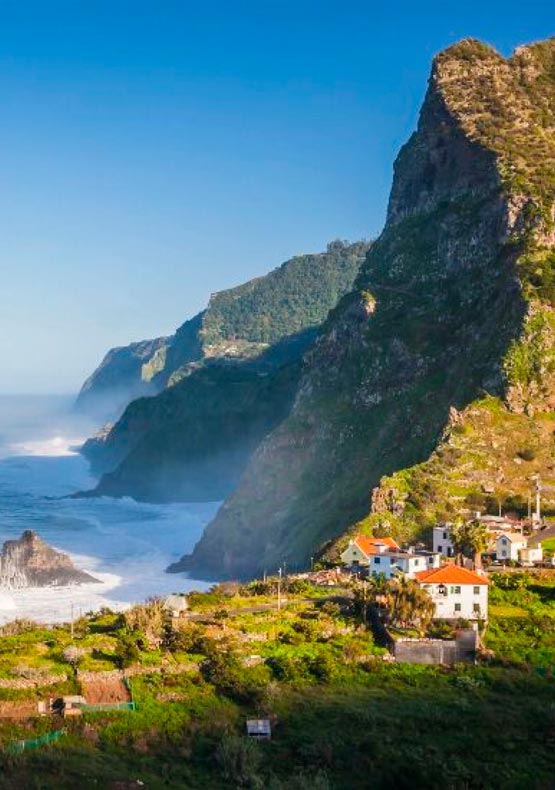
The Madeira archipelago is located in the Atlantic Ocean, significantly west of mainland Portugal. High volcanic shores, deep water near the island, and ocean waves give the sailing routes a distinctly maritime character.
Madeira can be explored on a coastal cruise or included in a longer ocean itinerary. The main anchorages are concentrated near populated areas, and the number of naturally sheltered bays is limited.
Funchal and the south coast of Madeira
Funchal and the southern coast serve as the main departure points for boat trips around the island. From the water, views of high cliffs, gorges, coastal towns, and houses perched on mountain terraces open up.
During the trip, you can alternate between sailing, swimming, and marine life observation. The specific route depends on the wind direction and wave conditions on different sides of the island.
Porto Santo and the Desertas Islands
Porto Santo is located northeast of Madeira and features long sandy beaches and a drier landscape. The crossing between the islands is over open ocean and requires a suitable forecast.
Southeast of Madeira are the uninhabited Desertas Islands. They can be seen from a boat, but landing and approaching the protected area are subject to environmental regulations.
Yachting in the Azores
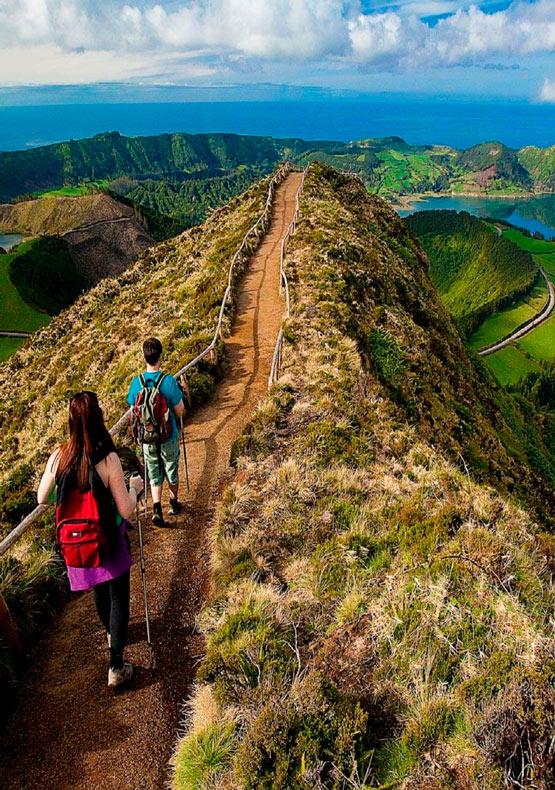
The Azores Islands are located in the central North Atlantic. The archipelago consists of nine volcanic islands separated by ocean passages. This destination is ideal for those seeking a true ocean sailing experience.
The weather here can change quickly, and between the islands, the yacht ventures out into the open Atlantic. The route requires an experienced captain, a well-maintained vessel, and a crew willing to adjust plans according to the forecast.
Faial, Pico and São Jorge
Faial, Pico, and São Jorge form a central group known as the "Triangle." The relatively short distances between the islands make it possible to create a comprehensive itinerary with several stops.
Horta Marina on Faial Island is considered one of the key sailing spots in the Azores archipelago. From here, you can sail to Pico, sail along the coast of São Jorge, or continue on a longer route to other islands.
São Miguel and Terceira
São Miguel is the largest island in the archipelago. Its main port, Ponta Delgada, is a great starting point for sea voyages around the eastern Azores.
Terceira boasts ports and marinas, making it easy to incorporate the island into a longer itinerary. On the coast, an ocean voyage can be combined with walks through volcanic landscapes and historic towns.
Yachting in Portugal for Beginners
Your first experience with yachting in Portugal is best with a professional captain. The sheltered Tagus Estuary, Cascais Bay, and some routes along the southern Algarve coast are ideal for short trips.
Participants can become familiar with the yacht's design, learn how to set sails, maintain a course, handle mooring lines, and participate in berthing. During the ocean voyage, the crew also gains experience navigating waves and managing watchstands.
Sailings around Madeira, between the Azores, and along the exposed west coast require more advanced preparation. These routes are best chosen after familiarizing yourself with the basic principles of life and safety on a yacht.
What is a yacht trip like?
Before each sailing trip, the captain reviews the forecast, wind direction, wave height, tide time, and the conditions for entering the next port. After the briefing, the crew prepares the yacht, removes the mooring lines, and sets out.
During the voyage, participants work the sails, keep watch, and observe the changing coastline. Depending on the route, the yacht may spend several hours or most of the day at sea.
In the evening, the crew moors at the marina or remains at anchor in a suitable location. The next day's itinerary is finalized on board: in ocean sailing, the actual weather is always more important than the original plan.
Choose a yacht cruise in Portugal
Choose the right trip for you and set off to explore the Lisbon coastline, the rocky coves of the Algarve, the volcanic shores of Madeira, or the islands of the Azores under sail.