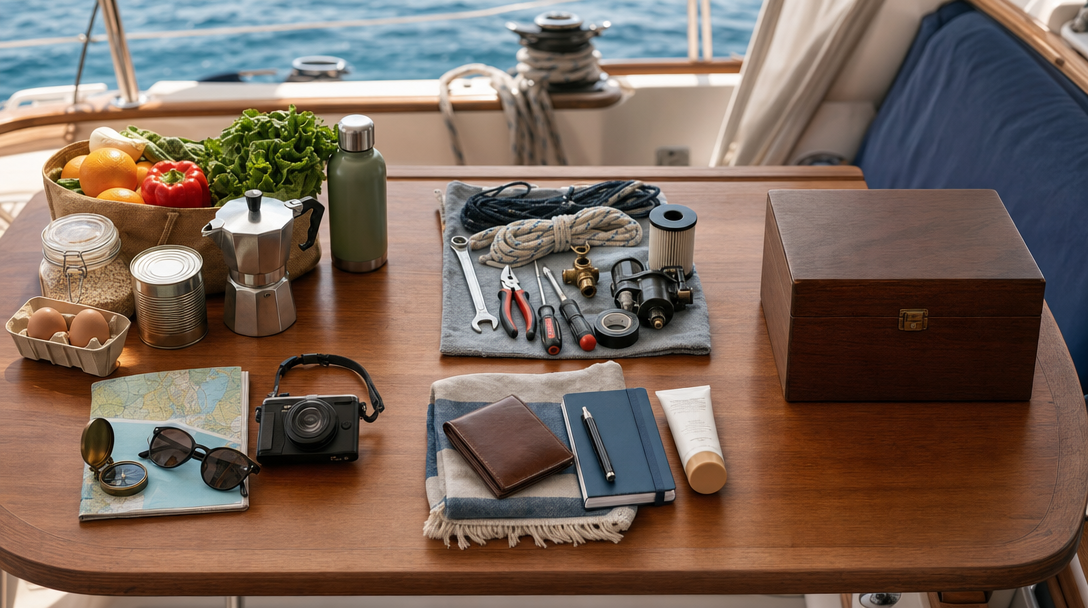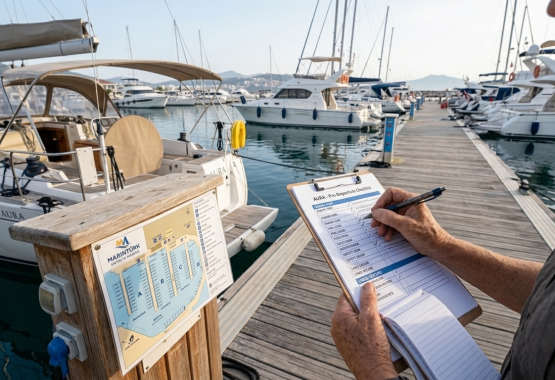
Morning coffee at anchor seems practically free: the boat is rocking, the water is all around, and a whole day of freedom lies ahead. But in some regions, even a simple breakfast can cost around $70. That's just one purchase—not the entire budget for life on board.
How much does it cost to live on a yacht if you've already purchased the boat? There's no set price: expenses are influenced by the region, crew composition, standard of living, mooring schedule, and boat condition. A realistic estimate includes food and marina expenses, future equipment replacements, travel, and a separate reserve for serious emergencies.
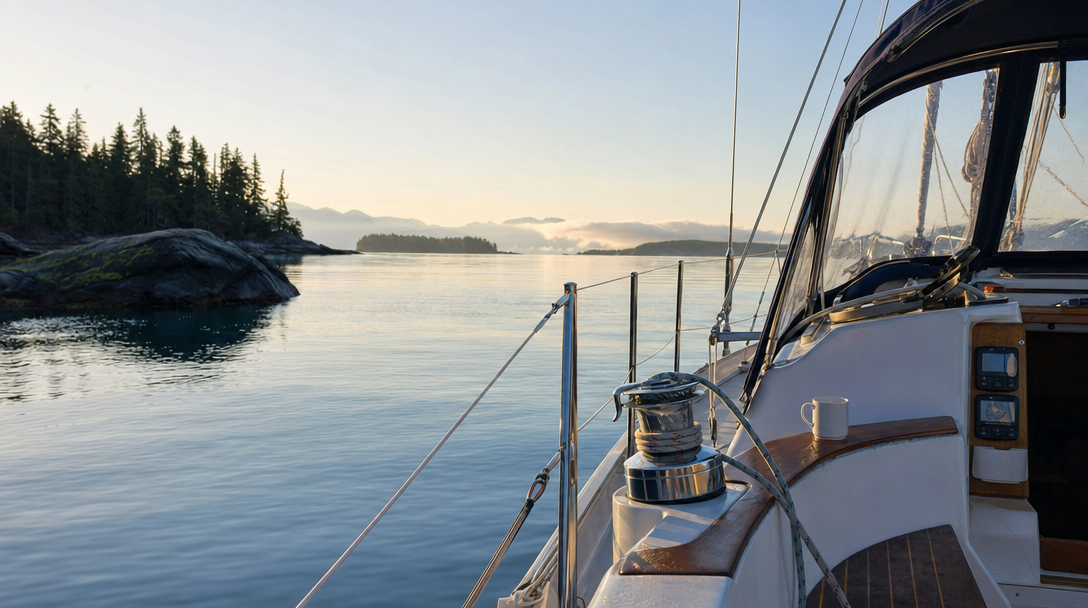
First, set the calculation conditions: the boat has already been purchased, but the budget should have some reserve
The purchase price of the boat is not included in the calculation: it is assumed that the vessel has already been purchased and is suitable for the chosen lifestyle. The costs of crew, operation, mooring, transportation, and regular maintenance must be determined.
It's easier to convert rare, large expenses into monthly equivalents. A $10,000 rigging repair scheduled every 10 years translates into $1,000 per year, or about $83 in monthly reserves. You won't have to spend this money every month, but you should have the funds available for when the replacement is due.
This is how a yachting budget is calculated: daily needs, the boat and its equipment, travel, and individual lifestyle are all factored in separately. The figures will vary for a single person and a couple, as will those with a crew that is permanently stationed or those who regularly sail long distances.
Before calculating, determine the crew composition, region, and travel schedule. After that, you can create a minimal scenario, a reasonable cost-saving option, and a budget close to the typical urban level. None of these options are universal.
Daily expenses on a yacht are similar to those in a city, but the region changes the amount
Food, household chores and laundry
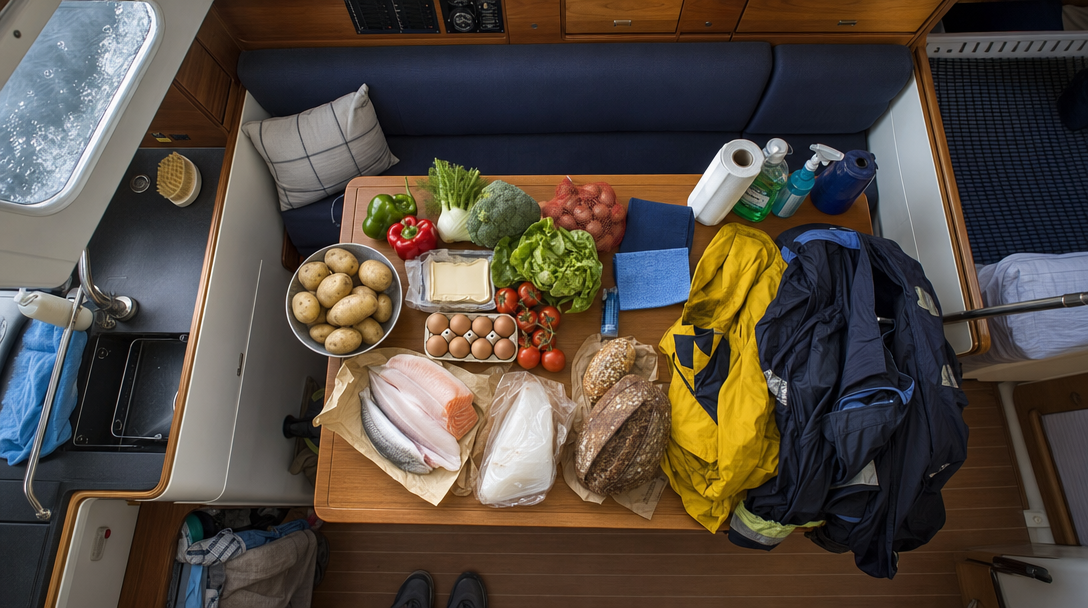
If a person is used to spending a certain amount on groceries in the city, their expenses on board may be roughly comparable. However, prices can vary significantly depending on the region. A few basic grocery items can serve as a guide.
| Product | Price guide | Calculation example |
|---|---|---|
| Meat | About $20 per kilogram | About 200 g per person per day |
| Eggs | About $2 a dozen | About two eggs per person per day |
| Fish | About 10 dollars per kilogram | About 200 g per person per day |
| Potato | About $3 per kilogram | About 300 g per person |
| Tomatoes | Approximately 1-10 dollars per kilogram | A conditional average price was taken for the calculation. |
With salt, spices, and other ingredients, the average daily cost is $10-15 per person and $20-25 per couple. This isn't a fixed price; prices vary significantly across countries. In Nassau, a simple breakfast can cost around $70, while in Spain, groceries represent a more typical budget.
Toilet paper, cleaning products, toothbrushes, household chemicals, and small items like batteries, flashlights, or glasses will cost another $50 per month: about $30 for chemicals and about $20 for small purchases.
Laundry costs depend on the boat's equipment. If the marina doesn't have its own washing machine, a single load can cost $10-$15, so regular laundry can add about $50 per month. For crew who do laundry onboard, the cost will vary.
Clothing and discretionary spending
It's easy to forget about specialized yachting clothing when moving. A waterproof set can cost $500-$700 per person, and with footwear and additional items, a complete set for one or two people costs approximately $1,500-$2,000.
Such clothing wears out. If a $1,500 outfit lasts approximately three years, its monthly equivalent is about $42. Casual shorts, T-shirts, and tank tops don't count toward this calculation.
It's best to count restaurants, alcohol, entertainment, and hobbies separately. In Panama, a restaurant meal with a drink and a dish can cost around $10 per person, while in Spain or France, it might start at around $20. A weekly outing is a flat rate, but daily outings will require multiplying it by seven.
Car rental, fuel, parking, entrance fees, and other on-shore entertainment are factored in separately. For occasional travel, you can add about $100 per month, but an active social life or regular travel will require a separate calculation. First, separate essential expenses from those associated with your usual lifestyle.
The boat's maintenance constitutes the main part of the expenses.
A boat's purchase price doesn't reflect future expenses. Yachts priced between $100,000 and $500,000 may have comparable costs for individual components: rigging, sails, dinghy, and safety equipment will all require replacement, regardless of the boat's value.
As a personal guideline, the author recommends budgeting approximately 15% of the boat's annual cost for maintenance and repairs. This isn't a universal technical standard: depending on the age, equipment, and operating conditions, the figure can range from 10 to 20%. Active ocean voyages in challenging conditions increase wear and tear, while quiet mooring and careful maintenance can extend some of the time.
| Element | Cost benchmark | Distribution period |
|---|---|---|
| Rigging | About $10,000 | About 7 years |
| Lifting and antifouling | Around 3,000 euros in Europe or $2,000 in Panama | About 2 years |
| Dinghy and motor | Approximately $2,000–$5,000 | About 5 years for a dog |
| Rescue equipment | The price depends on the set | Up to about 5 years |
| Interior refit | Around $3,000–$10,000 | About 10 years |
| Awning, bimini, and sprayhood | About $5,000 | About 3-5 years |
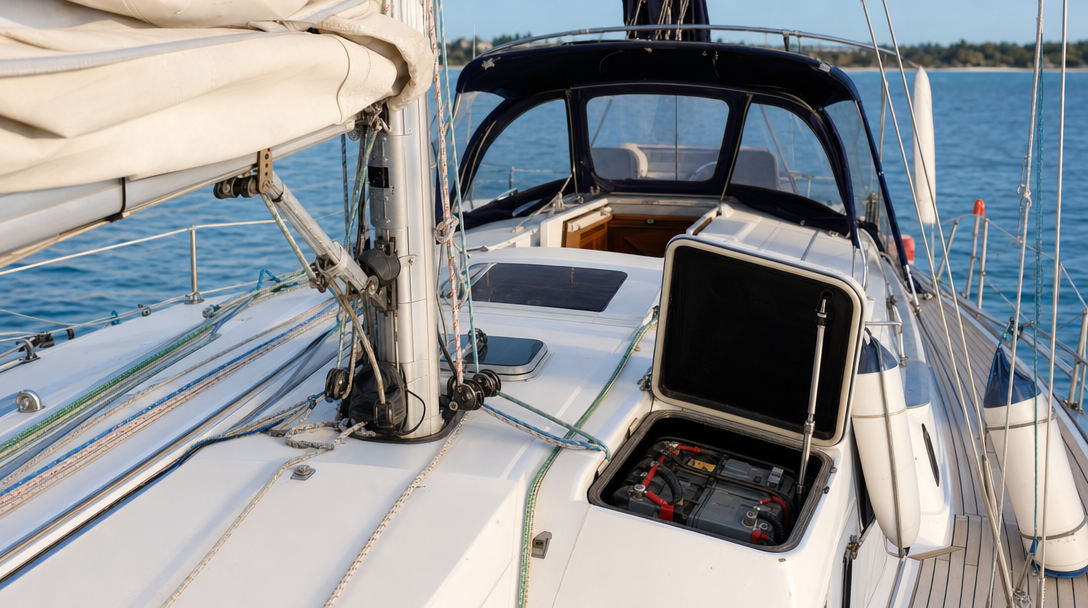
| Batteries and electronics | Separate reserve for equipment composition | Based on actual service life |
Rigging costs around $10,000 over seven years translates into about $1,430 per year. The same applies to boat lifts and antifouling, replacement of the dinghy and motor, lifesaving equipment, awnings, batteries, sails, and electronics. These amounts serve as a starting point for your own equipment list.
The deadlines in such a list remain guidelines. On one boat, the awning will need replacing sooner, while on another, the equipment will last longer. List the components installed on a specific vessel, indicate their approximate cost, and convert each item first into an annual reserve, then into a monthly reserve.
Even an inexpensive or older boat doesn't automatically mean it's cheap to maintain. Costs can arise when outfitting it with rigging, sails, steering, a dinghy, and other systems. With heavy use, repair costs increase with the number of voyages and the load on the equipment.
The percentage provides a general guideline, but a convincing monthly budget only emerges after calculating specific replacements.
Marina and travel add costs that are not incurred when moored on site.
The mode of operation affects the yacht's costs as much as its size and price. A yearly contract is available for permanent mooring, while for travel, you pay for marina days, fuel, registration, and additional wear and tear.
In the Mediterranean, an annual marina contract can cost around $5,000. For a 45-foot boat, the estimated daily rate is around €50. These amounts are based on specific conditions and are not a mandatory rate for any region.
In the model shown, boat insurance costs approximately $11,000,000 of its value, with a large deductible, plus approximately $500 in third-party liability. For a $100,000 boat, this is approximately $1,500, and for a $500,000 boat, approximately $5,000. Registering in a tax-free zone can cost approximately $3,000–$5,000 over five years.
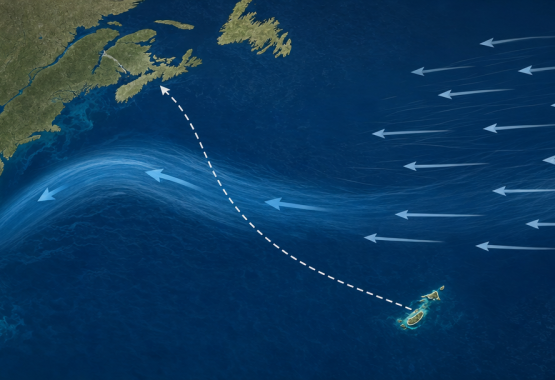
With occasional dinghy trips, fuel consumption can be around one tank per week. A tank costs approximately €30–€35. An ocean crossing adds another level of expense: repairs, wear on lines, rollers, and related labor can cost around $3,000–$5,000.
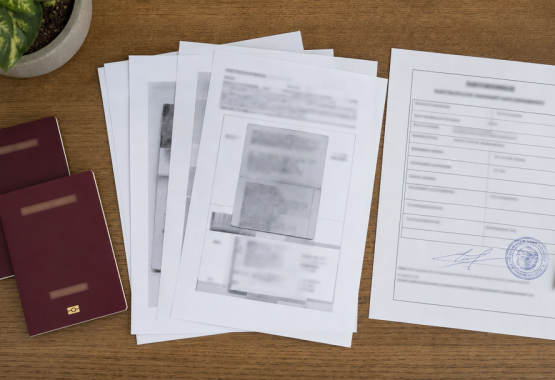
When changing countries, check-ins, cruising permits, and other procedures are taken into account. In Panama, a six-month permit for a boat and two people in the example above costs about $350, a passage to Colombia could add about $400, and a three-month permit in the Galapagos Islands costs about $2,000. For a relaxed scenario, you can budget about $50 per month for administrative fees, but for a busy itinerary, this may not be enough.
Before calculating your costs, choose your mode: permanent mooring, occasional sailing, or active cruising. This determines the yacht's marina berthing cost, fuel consumption, permits, and depreciation allowance.
Consider medicine, flights, communications and usual hobbies as a separate layer
There are expenses that aren't related to the boat, but rather to health, family, and personal lifestyle. These can be excluded from the minimum scenario, but when calculated for a specific individual or couple, they remain significant.
Medical insurance, as outlined in the above guide, costs approximately $100 per month, or approximately $1,000–$1,200 per year. Building your own emergency fund is a personal decision and does not replace insurance coverage in all situations. A boat first aid kit can cost at least $500, and in a specific case, around $1,000; medications and supplies will need to be replenished.
Flights depend on the region's distance. A one-way ticket from French Polynesia can cost around $2,500, while a return ticket from a more affordable region will cost a different amount. A hypothetical budget of $500 for two years might be appropriate, but for those who fly home frequently, this won't be enough.
Hobbies, technology, and communications are considered individually. A SUP can cost around $500, while equipment for fishing, kitesurfing, or other hobbies will increase the budget. Computers, tablets, and phones are also considered regular expenses: communication devices are essential on a boat.
Distinguish between the essentials and the desirables. Medical expenses, communication, and technology may be necessary for you, while dining out, car rental, hobbies, and some flights are considered part of your chosen lifestyle. Yacht expenses should be considered in conjunction with your personal circumstances, without equating your individual habits with the required price for everyone.
How to Create Your Own Yacht Living Budget
Start with crew expenses: groceries, household items, laundry, and clothing. Then add the maintenance of the specific boat, spreading out future replacements over the life of the boat. Then factor in marina fees, insurance, registration, fuel, and permits according to the chosen travel schedule.
Keep healthcare, flights, communications, technology, restaurants, and hobbies in a separate layer. This way, you can clearly see where the essential cost of living lies and where your usual level of comfort begins. Separate from your regular budget, you should have a reserve of approximately $20,000 for a major breakdown, illness, or emergency flight. This isn't a monthly expense or savings for scheduled equipment replacements.
Before moving onto the boat, check four points:
- Is the cost of servicing your boat included, not just food and marina?
- Are rare equipment replacements transferred to the annual and monthly reserves?
- Are travel, permits, insurance and personal expenses calculated separately?
- Is there about $20,000 available for an unexpected breakdown, illness or emergency flight?
The answer to the question of how much money is needed to live on a yacht emerges after this breakdown. Regular expenses vary with region and lifestyle, but boat maintenance and emergency supplies can't be hidden behind the pretty picture of life at anchor.