Before leaving Cape Town for Cabedelo, Brazil, the crew faces a 3,400-mile journey. The voyage will take 20 to 30 days. What will the crew do if the boat sustains a hole, loses an engine, or loses part of its rigging in a location where assistance is impossible? On such a route, it's not enough to know the vessel is in good working order today. They must prepare in advance for breakdowns far from shore.
An ocean crossing is any voyage more than two or three days from rescue services, even if the route is along the coast. Therefore, preparation for an ocean crossing is focused on complete autonomy. The ocean crossing checklist begins with checking four key areas: seaworthiness, documentation, departure time, and crew composition.
How to check the seaworthiness of a boat before sailing
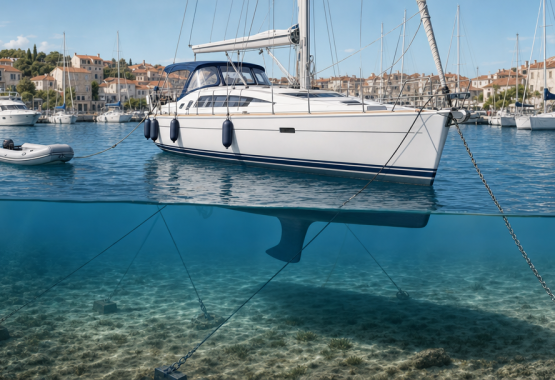
The first rule of seaworthiness is to keep water out. Preparing a boat for a voyage begins with the hull and any openings that allow water to enter. These openings should be strong and open and close easily. Keep a soft wooden plug next to each one, ready for installation.
What to check in the hull, hatches, and sealing systems
Hatches above the waterline require special attention. They must close tightly, keep out rain, and withstand the impact of large incoming waves. Small leaks through deck fittings are annoying, but they won't sink the boat. When preparing for a solo voyage, through-holes and large hatches are checked first.
Emergency preparation for a sailboat requires planning ahead for actions in the event of hull damage. A hole can be caused by grounding on a reef or colliding with a floating log or container. To temporarily cover the hole from the outside, a jib or storm staysail is often tucked under the hull. If a hatch is torn out, sheets of plywood covering the largest opening on the deck are useful. Specific solutions vary depending on the vessel, but an emergency plan should be prepared before departure.
How to anticipate movement failure and rigging damage
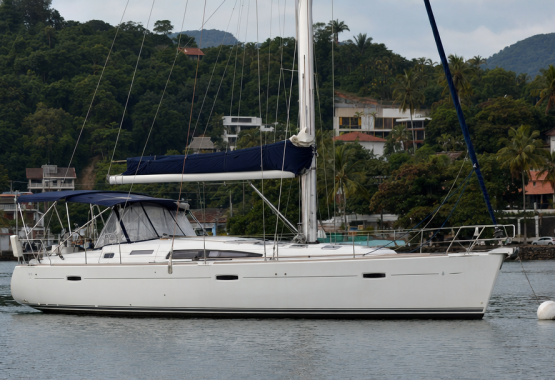
Seaworthiness of a boat means its ability to maintain speed. Since the main propulsion of a sailing vessel is the mast and sails, the rigging is carefully inspected before setting out. Worn fabric can tear at the first strong gust, so spare sails should always be on board. If the mast breaks, the crew will have to install emergency rigging—it's a good idea to figure out how to hoist small sails on a temporary structure.
The engine is tested as a backup propulsion system. The crew will need spare parts and tools to independently repair critical systems. When deciding what to take on an ocean voyage, emergency supplies typically include engine parts, fittings, shackles, and extra Dyneema. Heavy-weather equipment is checked separately: a storm staysail for winds over 40 knots, a trysail, a drogue, or a drogue.
- Check the hull, through holes, outboard fittings and wooden plugs.
- Assess the tightness and strength of the hatches.
- Prepare materials to cover the hole or torn hatch.
- Inspect engine, sails, mast and rigging; make arrangements for sail replacement and installation of emergency rigging.
- Collect spare parts and tools for self-repair.
- Make sure the crew knows how to handle the boat in a storm.
Checking a boat before going to sea boils down to one question: is the crew and boat's autonomy capable of ensuring survival without external assistance?
What documents should I check before going abroad?
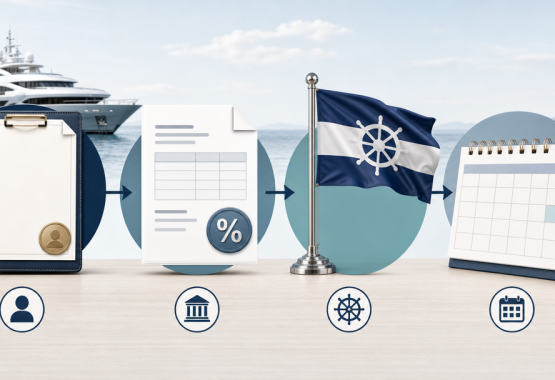
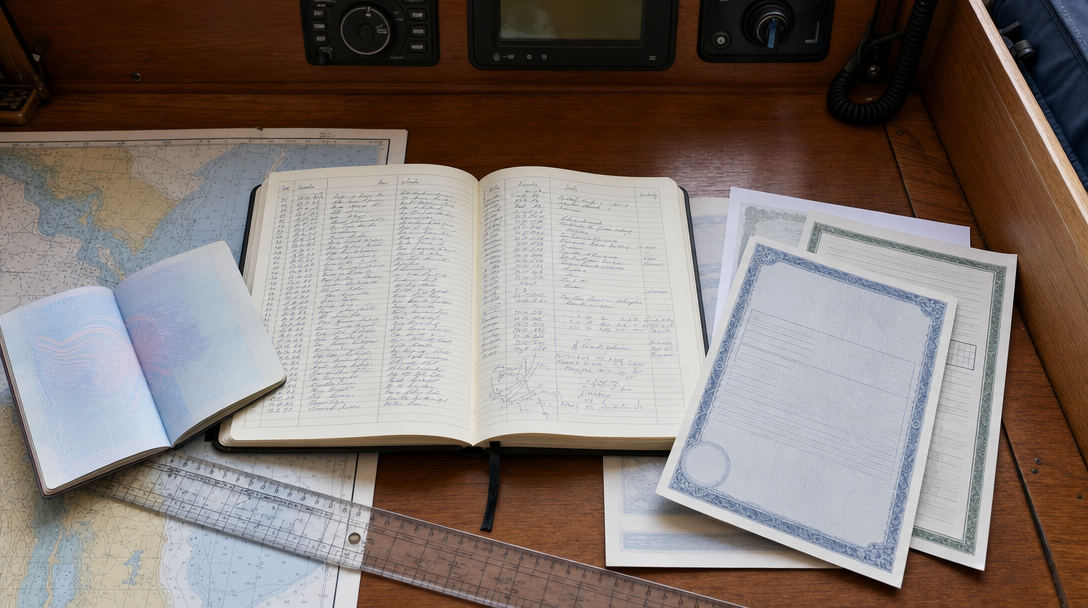
Even a technically sound boat won't be able to set sail without completing the necessary formalities. For an international voyage, you'll need the vessel's registration certificate and passports for all crew members. Passports must typically be valid for at least six months upon arrival in the destination country.
Visa, customs, quarantine, and sanitary regulations depend on your citizenship, itinerary, and the current laws of the host country. Before departure, you should check the need for visas and vaccinations. It's also worth checking customs restrictions on weapons, spearguns, and specific medications. Insurance requirements are also checked separately: some countries require a copy of a valid insurance certificate upon entry.
- Boat registration certificate.
- Crew passports valid for at least six months upon arrival.
- Host country visas.
- Insurance certificate.
- Rules for importing medicines and prohibited items.
- Sanitary requirements and vaccination certificates.
- Ship's log, flags along the route and quarantine flag.
Before departure, the captain clears immigration and customs and receives permission to depart from the port master. This document will be required for entry at the next port. The required documentation is always changing, so documents for international passage are tailored to the specific route.
How to choose a month and weather window for the transition
When choosing the right time for an ocean crossing, planning is divided into two stages: first, choosing a suitable month, then a specific date. First, it's important to coordinate the captain's and crew's schedules. Tight vacation schedules often force yachtsmen to sail in poor weather, while the freedom to wait for ideal conditions.
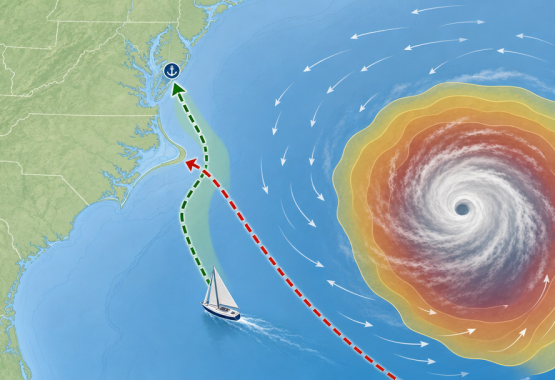
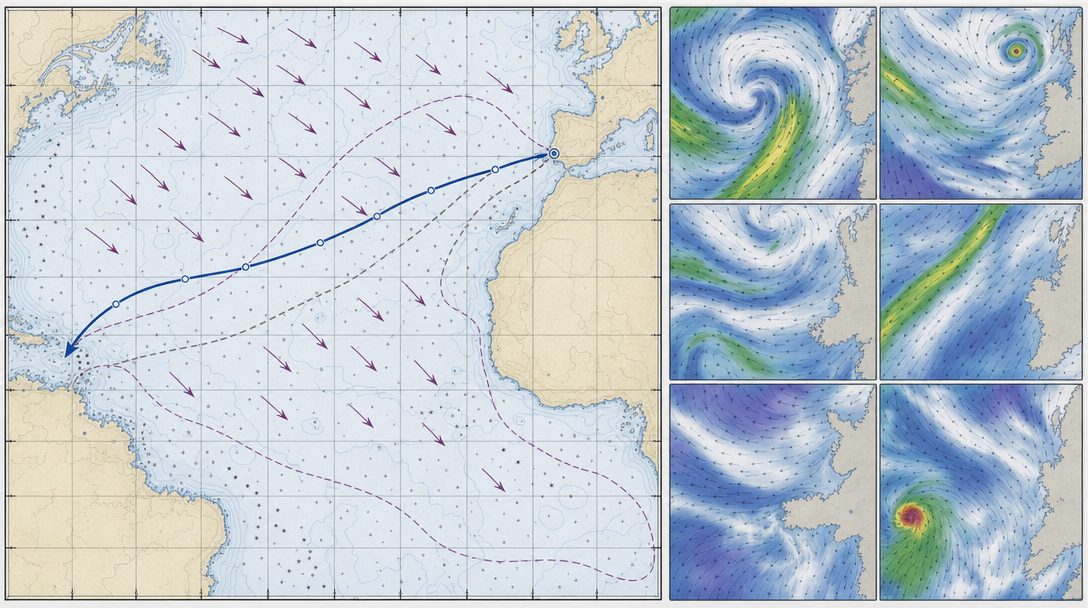
The month is chosen based on long-term weather statistics. Pilot charts—nautical atlases with historical data for the past 50 years—are used for this purpose. These maps divide the world into five-degree squares. Each square indicates the prevailing wind directions and frequencies, currents, and the likelihood of storms and tropical cyclones. Ready-made route recommendations based on pilot charts can be found in Jimmy Cornell's books.
Historical statistics help you find a calm month, but they don't provide a forecast for a specific day. The actual weather window is found using current weather data just before departure. Apps like PredictWind make it easy to compare multiple weather models to find the safest departure date.
- Assess the crew's personal schedule and willingness to wait for suitable weather.
- Select a month using pilot charts or navigational atlases.
- Check historical storm frequency, wind and current direction.
- Compare current short-term forecasts and set a departure date.
Finding a weather window for a passage requires a division of labor: seasonal statistics determine the general period, while the current forecast determines the exact departure date.
How to decide if additional crew is needed
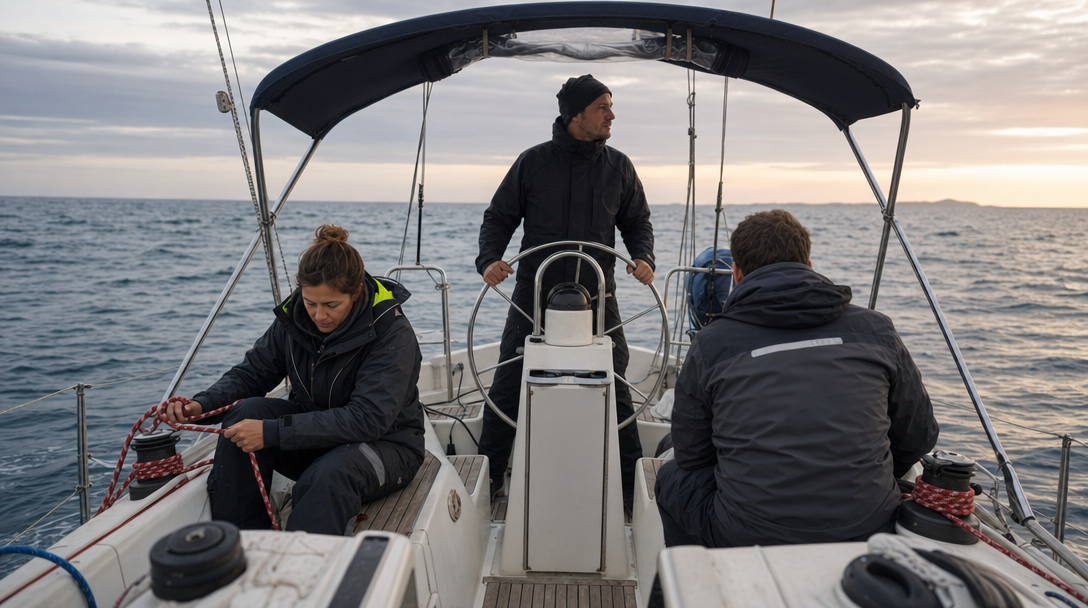
An extra person on board reduces the workload during maneuvers and watchkeeping. Three people often provide a comfortable duty schedule, but crew size depends on the specific route and boat.
When planning a long voyage, it's not just the availability of skilled personnel that matters. In confined spaces, psychological compatibility and the need for personal space come to the fore. Stress and claustrophobia can trigger conflicts, so a candidate's formal yachting experience doesn't guarantee a successful joint voyage. If the qualifications are lacking, it's sometimes easier to hire a professional captain for a single voyage.
Taking on an unfamiliar sailor simply for the sake of extra manpower can be risky, especially if the mission is to be at sea for 20 to 30 days. When considering how to select a crew for an ocean voyage, one must balance the physical demands of watchkeeping with the risk of psychological incompatibility.
- To what extent will an extra person reduce fatigue on shifts?
- Are his character and real skills well known?
- Will people be able to comfortably stay close for several weeks?
- Is there enough personal space on the boat for everyone?
What to check before heading out on an autonomous crossing
Proper preparation for an ocean voyage guarantees the vessel's self-sufficiency. The boat's hull must retain water, backup systems must ensure propulsion, and the crew must be able to repair any breakdowns themselves. Documents and sanitary requirements of the destination country are checked in advance. The departure date is set only after a safe season has been selected.
Final mini-check:
- Is the crew prepared to repair the hull, engine, sails and rigging at sea?
- Have you collected passports, insurance, customs permits and flags for the route?
- Does the start date correspond with historical statistics and current weather forecasts?
- Is the team composition balanced in terms of experience, physical endurance and character?