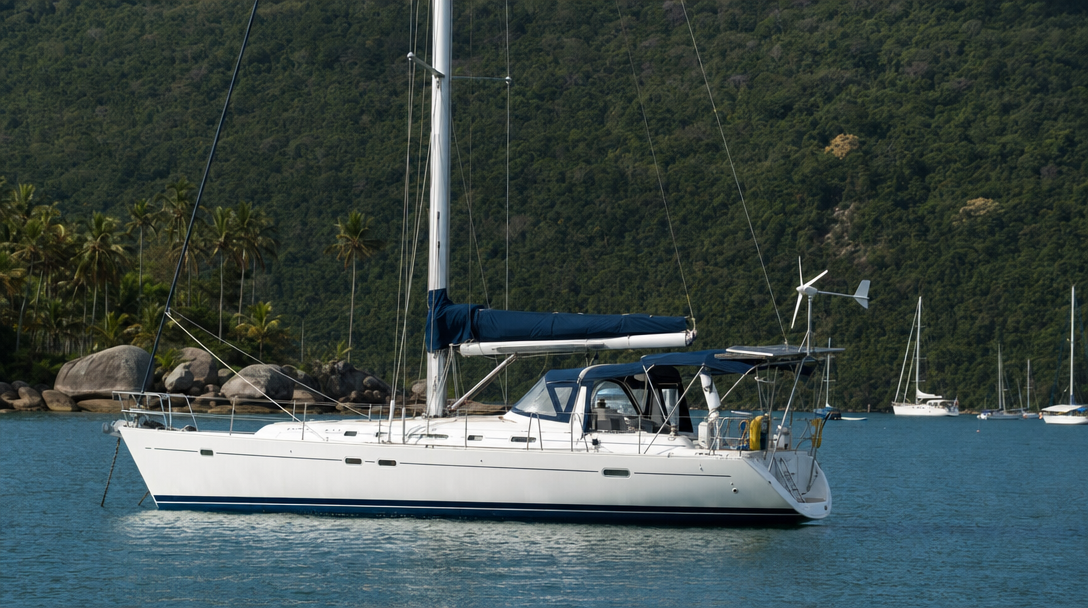
You have 120,000 euros and found the perfect boat—a 1998 Beneteau Oceanis 46. It's already completed one circumnavigation and is currently on its second, covering 6,000 miles from Turkey to Brazil. It seems like you just need to load up on provisions and you're ready to hit the ocean. But the purchase price of a boat rarely aligns with your budget for an independent voyage.
The answer to the question of how much it costs to prepare a yacht for a round-the-world voyage depends on a separate estimate. Major expenses include not only upgrading the engine or rigging, but also numerous parts worn out by UV radiation and constant stress. Preparing a yacht for a round-the-world voyage requires a detailed inspection of all ageing systems.
Where to start inspecting a yacht after purchase
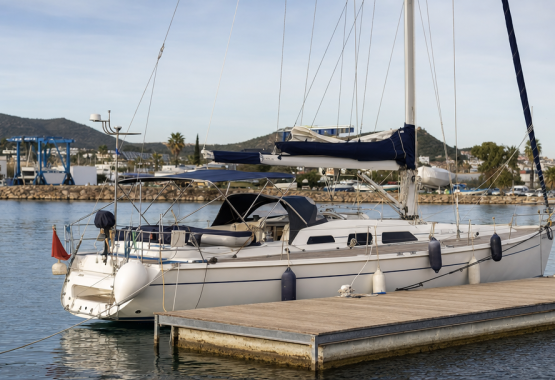
The choice of a vessel is always limited by budget, expected comfort level, and crew size. The Beneteau Oceanis 46 under consideration for a round-the-world cruise is not a perfect example, but a practical example of a yacht with a clear age and operational history.
The average market price of approximately €120,000 for this model does not include post-purchase expenses. The boat's components, which operate under constant load, are susceptible to sunburn, and are prone to failure away from service marinas, will need to be separately assessed.
What should you check on a yacht before a round-the-world voyage? A boat's extensive experience is no substitute for an inspection. It's helpful to immediately divide the checklist into propulsion and autonomy systems, water and sun protection, and household equipment.
What elements of the hull, rigging and sails should not be ignored?
Rigging and sails: what to inspect and what expenses are possible
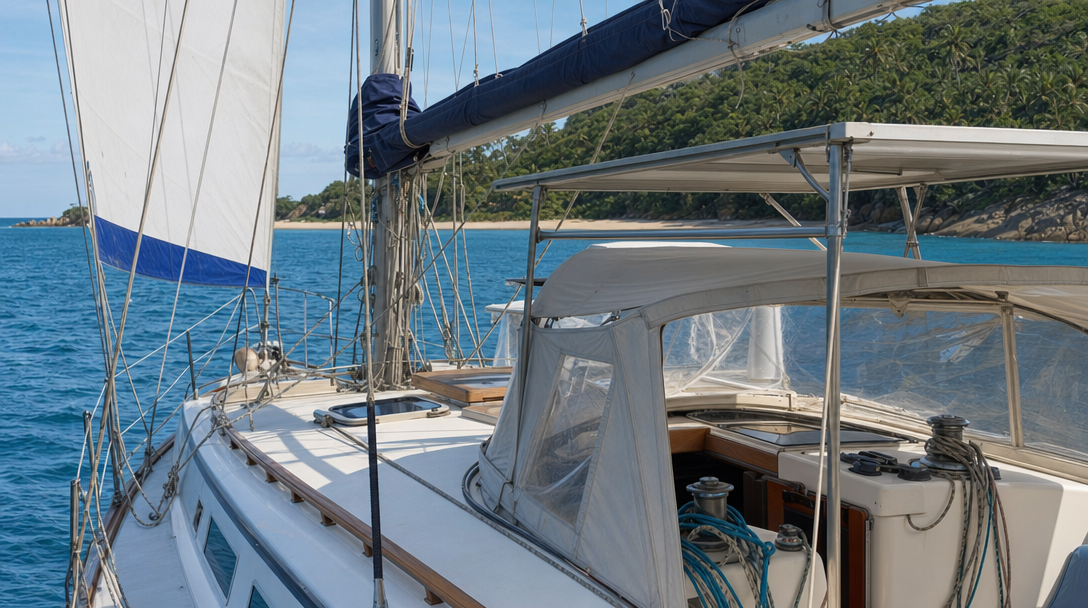
A yacht's rigging requires inspection first. This includes not only the mast, but also the forestay, shrouds, halyards, sheaves, and rollers. According to French insurance regulations, rigging components older than seven years may result in the denial of mast fall insurance. Therefore, it's important to confirm the age of each component in advance.
A couple of years ago, replacing rigging for a round-the-world trip on a boat of this size would have cost between €7,000 and €11,000, depending on the repair location, but these figures are higher now. Halyards and pulleys will add additional costs: cheap ropes stretch and break quickly, and plastic pulleys crumble under UV light.
Another important detail is the spinnaker pole for moving the genoa to the side. This is an essential tool for cruising. If the mast doesn't have a mount for it, the system will need to be installed separately.
The lifespan of sails depends on UV exposure, loads, and flapping due to improper adjustment. On average, they last about five years, although some boats have sails with fabric that last up to 15 years. A simple set of sails for such a yacht will cost at least €8,000, while options made from heavier materials cost around €10,000.
Protection from water and sun: hatches, dinghies and awnings
UV rays burn more than just sails. Dinghys typically last three to five years, so they're covered when not moored. Sprayhood fabric without protective coatings becomes dull within a year or two. In the tropics, a full-size bimini is essential for sun protection, although this particular yacht has a homemade hardtop. A simple bimini costs around €6,000 and lasts five to seven years without a cover.
Deck hatches also begin to leak over time due to aging seals. The seals need to be regularly cleaned and lubricated with silicone.
How to prepare the engine and autonomous systems before leaving
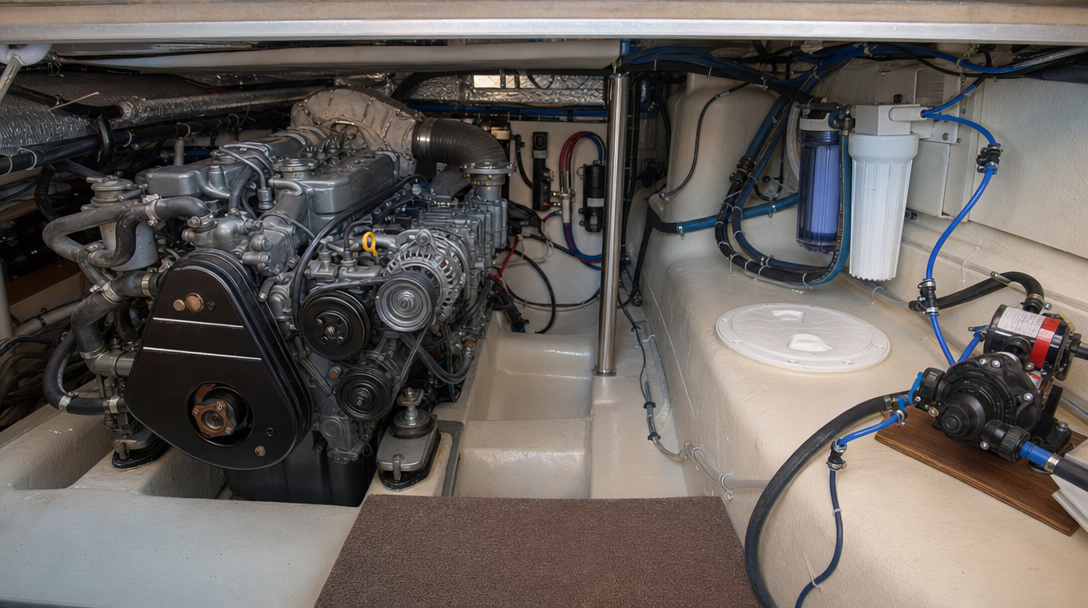
The yacht is powered by a 26-year-old four-cylinder Yanmar engine producing 40 hp. With an older engine, it's important to evaluate not only the engine itself but also the gearbox, driveline, shaft, and sterntube seal. A full overhaul of an older diesel engine is often comparable in cost to purchasing a new unit.
Searching for spare parts in other countries is a waste of time, money, and nerves. Therefore, it's best to service all systems accessible for diagnostics before starting the car. It should be clear in advance which parts are still functional and which need replacing.
Water and energy: desalination plant, tanks, consumers and power sources
A yacht's ocean-going autonomy depends on the integration of several systems. A desalination plant with a capacity of 30-40 liters per hour is responsible for the water supply. Assembling it from individual components costs €4,000-€4,500, while a prefabricated kit costs approximately €7,000-€8,000.
How much water does a yacht need for a circumnavigation? Fresh water is stored in three independent tanks with a total capacity of 800 liters. They are made of fiberglass and equipped with large inspection windows for cleaning. The system is equipped with a backup water pump; if the main pump fails, the backup supply switches over to the backup.
How do you ensure a yacht's autonomy at sea? The power system is assembled on the hardtop, housing solar panels, Starlink, Iridium, and wind turbines. With many high-powered devices on board, such as refrigerators and radar, energy consumption is tightly controlled, with all halogen lamps replaced with LEDs.
In tropical heat, fans are essential. Installing an air conditioner will require a separate generator, running the propulsion engine, or constant shore power. The choice of the specific solution is up to the crew.
How to organize safety and everyday life on board
Safety on a yacht on a long-distance voyage isn't limited to a life raft, an EPIRB, and flares. A yacht's equipment for a round-the-world voyage includes knives secured near the helm and under the mast—they're used to instantly cut tangled lines. A standard signal whistle is used to call the crew to the deck.
Tackle and sheets also require strict organization. Tabletop line organizers keep lines organized, rather than piling them up in your pocket, where they're hard to find when needed.
Comfort on a long voyage depends on the little details. A standard washing machine is installed on board, and two laundry bins allow for use on different tacks, compensating for heeling. There are large refrigerators that consume a lot of energy, but there is no freezer. A gas stove, with regular maintenance, lasts about 15 years.
Why you need to prepare tools, spare parts, and navigational supplies in advance
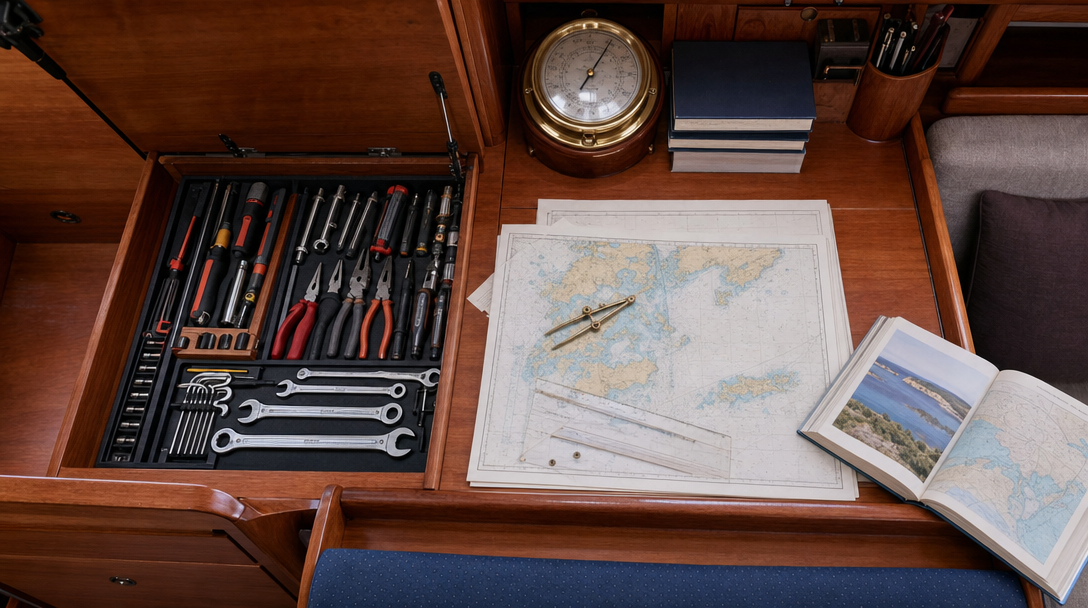
Yacht spare parts and tools become invaluable where there are no marine stores. In remote marinas, even finding a non-standard wrench can be a challenge. Tools should be categorized behind a separate door to avoid rummaging through random drawers.
A supply of consumables and parts is required on board. Underfloor and cubbyhole spaces are ideal for storage, but they must always be kept dry and clean. Dirt under the floorboards during a boat inspection is a sure sign of inadequate maintenance.
Modern satellite communications don't replace navigation charts, a barometer, and paper maps with marked reefs and banks. An analog barometer with a graph clearly shows the rate of pressure change. This is a reliable navigation backup, working in parallel with Starlink, Iridium, and chartplotters.
Preparing a yacht for a round-the-world trip begins after purchase
By paying €120,000, you're buying a hull, not a finished project. Before heading out to sea, you'll need to assess the condition of the sails, transmission, power sources, and emergency equipment. These large expenses are juxtaposed with hundreds of small parts that age from salt and sun.
Mini check before leaving:
- Have the age and depreciation of critical systems been determined to allow for the cost of their upgrade?
- Is there a reserve water supply and independent navigation sources?
- Is access to tools, spare parts and emergency equipment conveniently organized?
- Are the costs of mandatory repairs and comfort equipment separated in the budget?