It seems like buying a yacht solves two problems at once: you get your own home by the sea and the freedom to travel between countries without having to worry about visa applications. But can a sailboat really replace a residence permit? And how much does such a life cost, considering mooring, repairs, and daily expenses?
Two years of living on a yacht off the coast of Turkey show that a vessel offers mobility, but doesn't eliminate immigration regulations. In practice, the move to the water begins with the usual paperwork, and comfort depends on whether you're willing to pay for a marina or prefer independent living at anchor.
What documents are needed to live on a yacht?
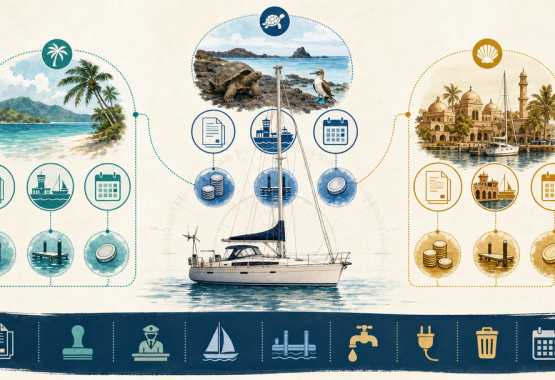
Owning a boat does not, in itself, grant the right to reside in another country for an extended period. Yachtsmen are subject to the same visas, residence permits, and other requirements as tourists and relocators ashore. Therefore, documents for living on a yacht should be considered separately from boat registration and mooring.
For example, in Turkey, an annual marina berth lease agreement helps obtain an ikamet. The procedure itself is no different from that for those renting a waterfront apartment, but immigration authorities sometimes treat yachtsmen more leniently due to stricter land-based rental regulations.
But this doesn't mean you can automatically obtain a yacht residence permit. A yacht residence permit is always based on the internal regulations of the specific country and the applicant's personal documents. When planning a move, it's important to clearly distinguish between the fact of vessel ownership and the legal basis for legal residence.
It's possible to physically cross the border by sea without registration, but this method remains illegal and risky. The lack of border controls upon approaching land will not protect you from questions, fines, detention, or deportation of your boat during inspection on land. Extended stays on certain islands simply because your vessel is registered also fall under the category of semi-legal practices, not reliable regulations.
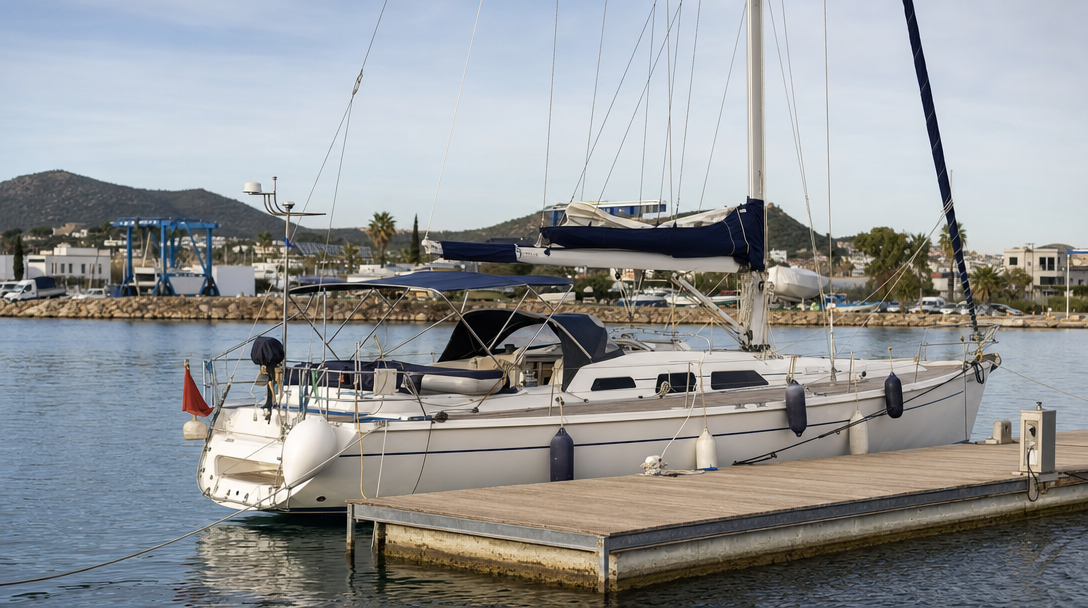
Where to live on a yacht: marina, anchorage, or permanent voyage
There are two basic scenarios: a permanent voyage with anchorages and a long-term marina stay. These are often combined into a third, mixed scenario: the boat spends most of its time en route and in free harbors, periodically calling at ports for rest, resupply, and repairs.
| Condition | Marina | Anchorage |
|---|---|---|
| Water and electricity | There is access to coastal communications | Need your own autonomy |
| Communication with the shore | You can go out into the city from the pontoon | A dinghy is needed for trips to the shore. |
| Weather and control | The parking lot is quieter, although the boat still rocks and creaks. | Weather and waves have a greater impact on everyday life |
| Opportunity to leave | The boat can be left under the supervision of marina staff. | A yacht left at anchor remains without such control. |
Life in a marina is similar to living in a small apartment: there's running water, electricity, and shoreline amenities, and showers are often taken ashore. However, bad weather is still more noticeable on board than in a permanent home. This format is more convenient if you need to leave your boat for the duration of your trip or if constant access to the city is essential.
Life at anchor or in a marina differs not only in price. In remote bays, anchorage is free, but it requires a heavy reliance on solar panels or a generator to provide electricity. The yacht is subject to greater rocking in the waves, and in bad weather, the risk of breaking free increases. Therefore, people often plan to winter at a safe mooring, and in the summer, they leave the stuffy ports for the open sea.
When choosing a mooring format, it's helpful to answer four questions in advance: do you need constant access to water and electricity on shore, are you prepared to use a dinghy, can you leave the boat unattended, and how dependent will your life be on the weather? A cheaper mooring requires greater autonomy and involvement in the boat's life.
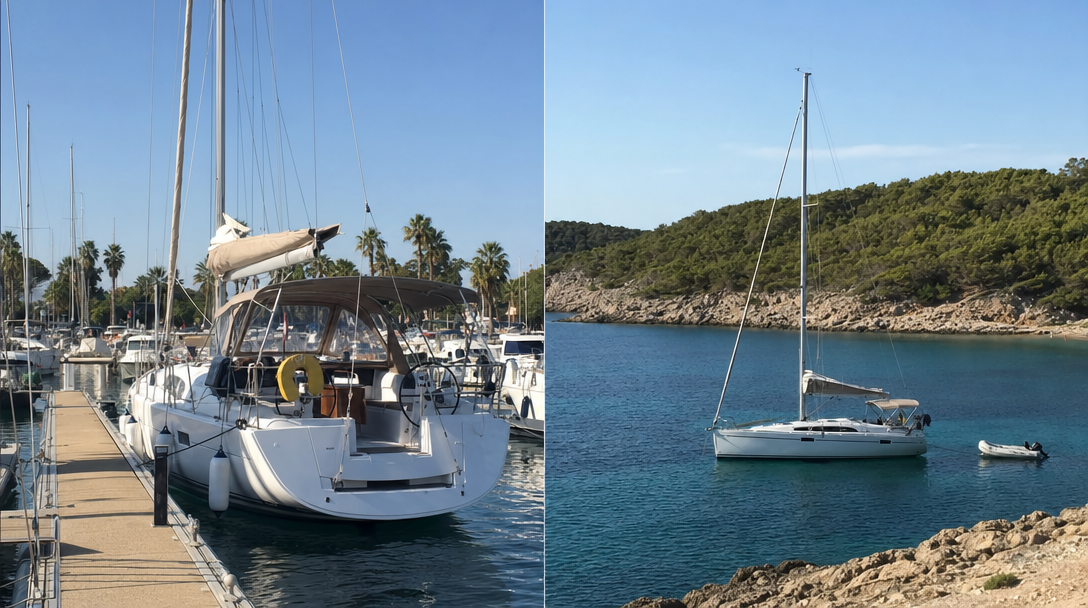
How to choose a yacht for permanent residence and estimate start-up costs
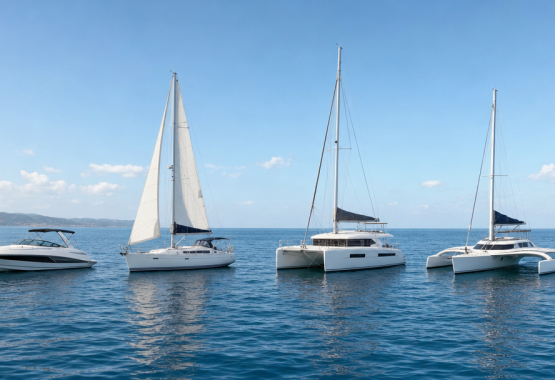
A permanent yacht is determined not only by the initial price of the hull, but also by a combination of size, technical condition, and hidden faults. For example, a 42-foot, four-cabin Bavaria from 2001 could cost around €60,000 at the end of 2021.
By mid-2024, the price of a similar vessel, including basic upgrades, had risen to €80,000 and above. Of course, this is just one benchmark. Looking for a minimum entry point for the Mediterranean, a boat capable of accommodating two people in relative comfort would cost €40,000–50,000.
- Around 40–50 thousand euros is the minimum starting budget for purchasing a liveaboard boat in the Mediterranean.
- 20-30 thousand euros is a rare option that requires a lot of luck and a willingness to do major repairs yourself.
- 36 feet is a reasonable minimum length for permanent living for two.
- 40–42 feet is the optimal boat size to comfortably accommodate a couple.
Any used yacht is an unpredictable project: even a detailed inspection by a surveyor won't reveal all hidden defects. Sometimes cheaper, ocean-ready boats are sold in the Caribbean, Indonesia, or Malaysia, where circumnavigators complete their voyages. However, complex logistics don't always make such a purchase profitable. In any case, when planning a move, it's important to set aside a separate reserve for repairs and system upgrades.
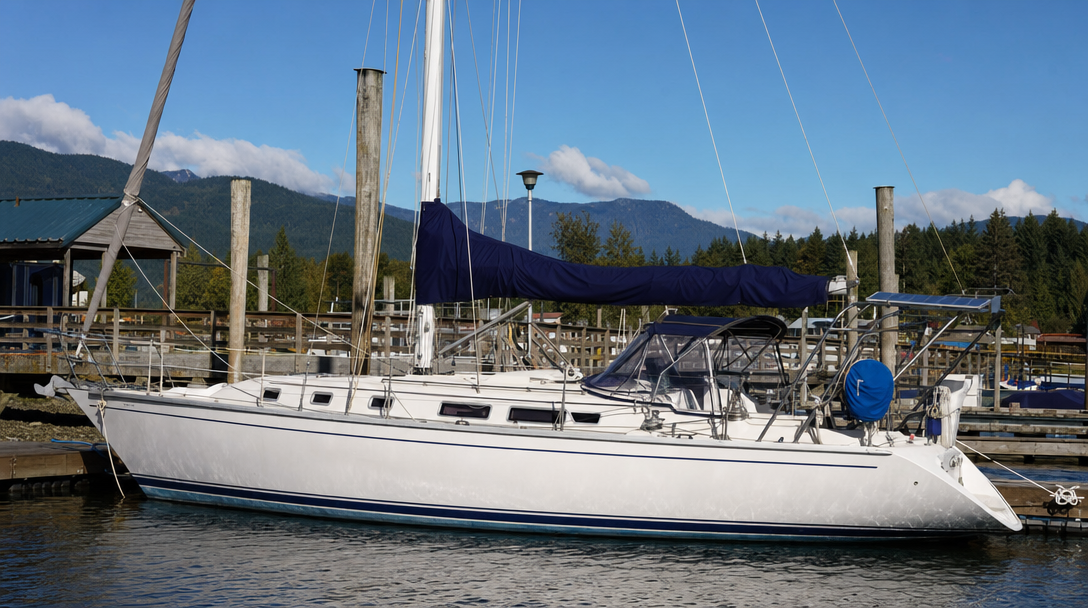
What expenses arise after purchasing a yacht?
The cost of the boat is only the first part of the budget. Then there are registration, mooring, hauling, maintenance, fuel, and major upgrades. These costs shouldn't be confused with food, restaurants, and the couple's daily living expenses: they relate specifically to boat ownership.
Another mandatory procedure is choosing a flag. For example, registering a vessel in Malaysia costs approximately €1,000 initially and requires €100 for renewal every two years. When entering European territorial waters with such a flag, an additional transit log will be required—the temporary import procedure adds additional paperwork.
| Consumption | Approximate cost | Periodicity or condition |
|---|---|---|
| Registration in Malaysia | Around 1000 euros | One-time registration |
| Registration renewal | 100 euros | Once every two years |
| Year-long stay in Finike | 6,500 euros | Contract for a year |
| A short stopover in Turkey | On average 100 euros per day plus water and electricity | For a 42-foot boat |
| Ascent, descent and shore parking | Around 1000 euros | About once every two years |
| Post-purchase modifications | From 1,500 to 5,000 euros for individual works | Batteries, solar panels with an arch, wooden elements, planned autopilot |
| Current content | Around 300–500 euros per month | Repairs, maintenance and related expenses |
Short-term mooring costs vary greatly by region. In Greece, you can find free municipal moorings or berths for €5-€10 per day. In Italy, berthing for a transit boat can cost around €20, while in Spain, you can find options for €15-€30. These are just examples, not a strict price list for the entire region.
Serious upgrades usually begin immediately after purchase. Installing solar panels, including welding a metal arch, costs approximately €3,500, a new battery pack costs another €1,500, and replacing damaged wood trim costs around €2,300. Integrating a high-quality autopilot system can cost €4,500–5,000. These costs accrue unevenly, but they determine the final financial picture of ownership.
It's impossible to give a single, stable figure for how much a yacht costs per month. One season, expenses may be zero, but then a sudden breakdown can cost €1,000–€1,500 in one go. The €300–€500 guideline only reflects the average running costs for minor repairs, not including annual marina fees, fuel, or major upgrades. For accuracy, it's best to divide the budget into five independent categories: documents, moorings, scheduled hauls, regular maintenance, and a reserve fund.
What does it mean to live on a yacht every day?
Besides the high costs, life on a yacht requires a strict dependence on the weather. Outside the safety of a marina, a storm, a strong headwind, or a nasty wave can ruin plans at any moment. Adapting to the vagaries of nature is an inevitable part of life at sea, and cannot be avoided by any schedule.
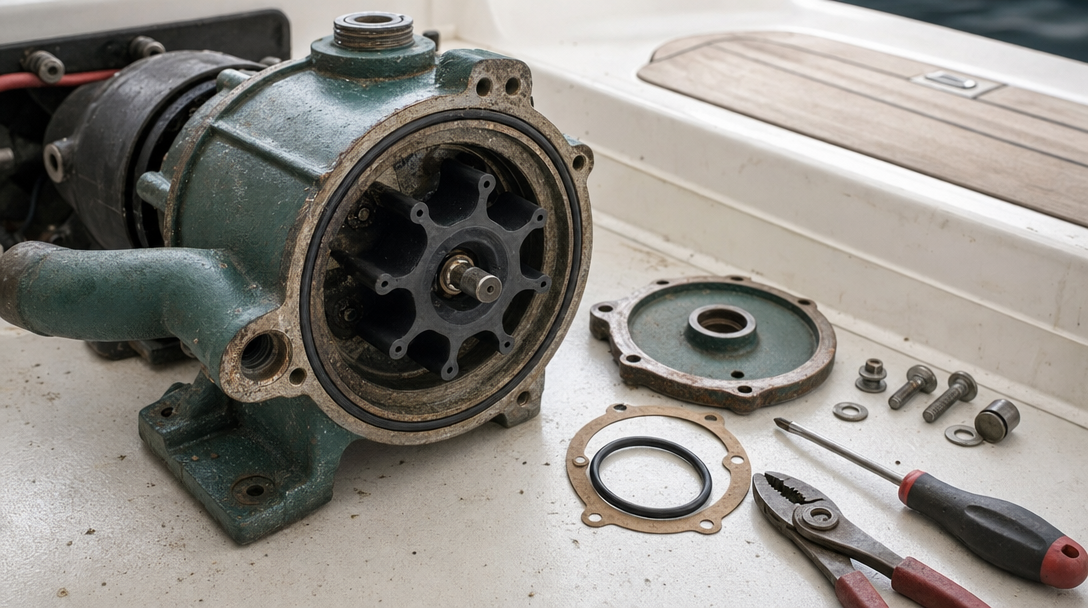
The second feature is constant technical monitoring and minor repairs. The difference in approach is often measured in hundreds of euros. For example, disassembling a leaking pump yourself and visiting the nearest auto repair shop can cost 12 euros for parts and labor. Taking the same problem to a shore-based yacht repairman can easily cost 300 euros, with no guarantee of long-term results. A willingness to understand the boat's systems is critical to saving money.
- Weather: plans for crossings and parking must be adjusted to the wind, waves and rain.
- Repair: Minor faults require time, independent work or payment for services.
- Budget: The couple's daily expenses and the yacht's maintenance should be calculated separately.
When actively cruising the Mediterranean, living expenses for two people average around €2,000 per month, including groceries and occasional restaurant outings. In Turkey, excluding restaurants, this amount can be reduced to €500–600. Overall, a comfortable yachting lifestyle for two is roughly comparable to land-based living, and can sometimes be slightly higher.
At the same time, this format offers what many choose it for: the opportunity to travel between cities and countries, calling at new ports, and meeting people along the way. But this freedom is inextricably linked to technical work, weather, and the need to constantly maintain the vessel.
Is yacht life right for you?
Emigration on a yacht does not negate the usual immigration rules: legal residency will have to be sought in the laws of the chosen country. However, living comfort directly depends on budget: a marina provides stability and shore communications, while anchorage dramatically reduces costs but requires complete technical independence.
Before purchasing, it's worth checking: whether you have the necessary visa or residence permit; what type of berth you're willing to pay for and maintain; whether there's a reserve built in beyond the boat's price; and whether you're prepared to change plans due to weather and deal with minor issues. Then, yachting will become a conscious way to live and travel, not an attempt to escape everyday life and legal issues.