Which yacht will you really use for most of the season—a large boat for occasional group get-togethers or a more compact one, designed for a family and familiar routes? The dream of a boat that can accommodate all your friends, cross the Atlantic, and accommodate all your gear quickly runs into the limitations of size, budget, and maintenance.
Yacht-buying mistakes begin even before you've even looked at the ads. First, you need to determine your sailing itinerary, crew composition, time on board, and available budget. These factors influence your yacht choice more than the maximum length, number of cabins, or optional equipment list.
First, decide how and with whom you will walk
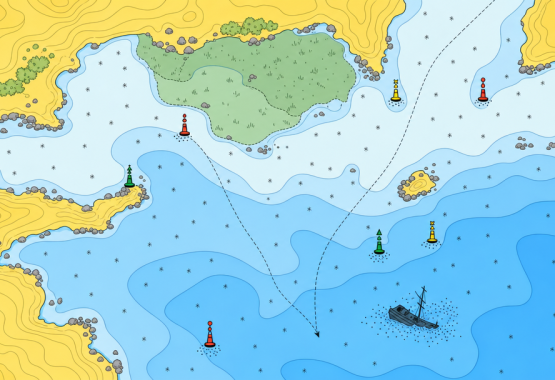
The first mistake is buying a yacht for the sake of it and expecting it to be versatile. A shallow-draft cruiser, a racing boat, an expedition vessel, and a fishing yacht can't all perform equally well. Therefore, first formulate a sailing plan: where you want to sail, whether you want to spend more time standing or moving, how much time you want to spend on board, and what kind of crew you want to have at the helm.
Choosing a yacht for one waterway doesn't preclude other routes. After cruising the Mediterranean, you can head to the Canary Islands, Madeira, or cross the Atlantic. However, different boats are better suited for different types of cruising: a yacht designed for continuous passage will be equipped and used differently than a boat designed for stopovers and short excursions.
When asked which yacht to choose for an ocean crossing, the expert answers cautiously: in the range of approximately 30 to 60 feet, many boats have ocean-going hulls. This doesn't mean they can be sailed in any weather. For a crossing, weather conditions, crew training, and equipment are important; the boat's size alone doesn't replace these factors.
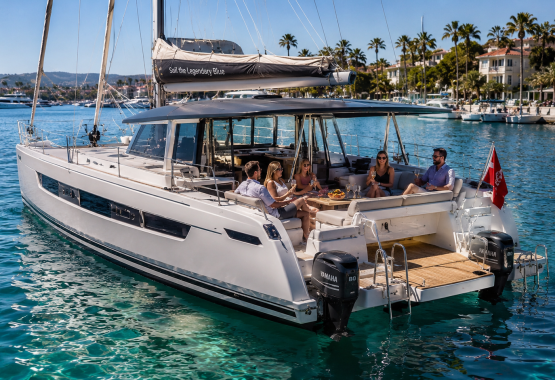
The crew composition should be assessed based on the people who will actually be sailing the yacht. In one case, an attempt to gather a large group on a 37-foot boat only took place once: some of the people stayed at a hotel, and the group managed to spend a few days together. Regular trips with the entire group proved unrealistic, and prolonged stays in a confined space required consideration of the habits and characteristics of the people.
Before viewing listings, consider the permanent crew, frequency of passages, primary destinations, and time on board. A rare trip with a large group of friends shouldn't dictate the size of the yacht you'll use for most of the season.
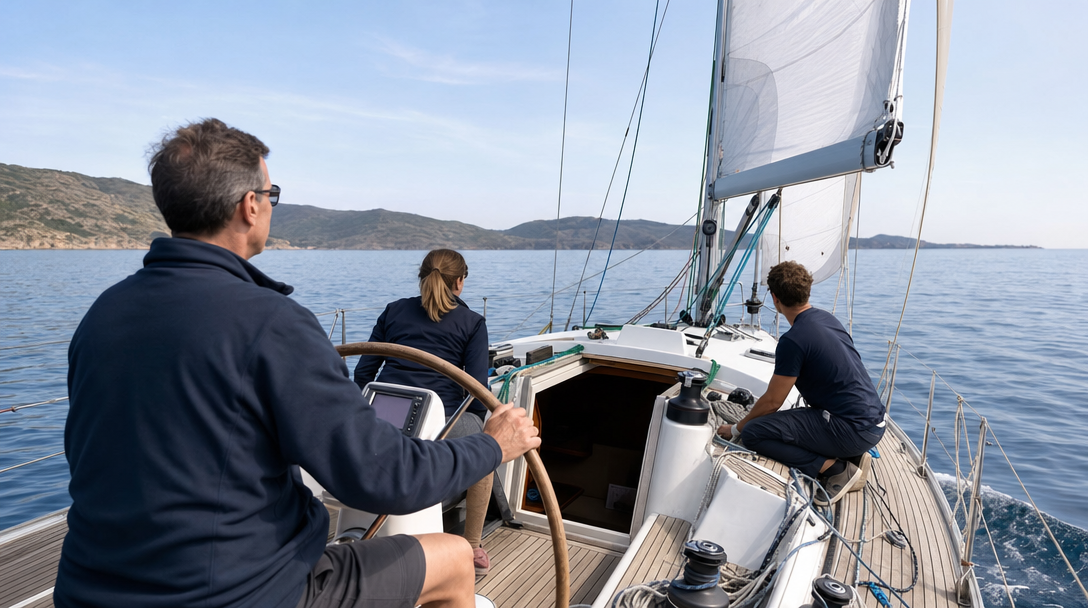
A larger yacht and additional cabins do not always provide more comfort.
The second mistake is gigantomania, the desire to buy the largest boat possible right away. A 50-60-foot yacht promises more space and cabins, but with length comes increased costs for mooring and maintenance, increased difficulty in handling, and the cost of making a mistake for a novice owner.
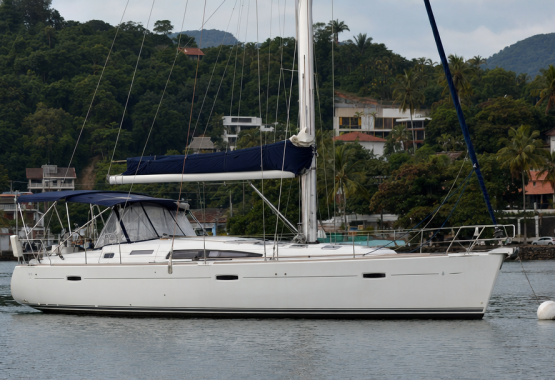
The expert links the cost of yacht ownership to the boat's size: a smaller yacht requires less mooring and maintenance and allows for a gradual learning curve. Boats around 31–37 feet typically offer basic amenities, including a standing shower, adequate beds, and two cabins. This size isn't suitable for every family, but greater length isn't necessary for comfortable onboard living.
The third mistake is choosing a layout solely based on the number of cabins. The question of "how many cabins are needed on a yacht" should be decided based on the family's composition. If several children of different ages and genders are regularly traveling together, additional cabins may be justified. If the family has only one child and friends come over occasionally, two cabins and a berth in the salon may be sufficient.
On boats up to 40 feet, a layout with two cabins, a saloon, and a utility or storage space can be practical. A locker or storage unit can be used for other purposes later, whereas the space occupied by a cabin is more difficult to convert into storage and maintenance space. A free utility space can sometimes provide more everyday convenience than another small bedroom.
The Dufour 45.9 is a telling example: most of the boats inspected at the shipyard had two cabins, a utility cabin, and a saloon berth that converts into a berth. Experienced owners were satisfied with this configuration. Before purchasing, consider the number of family members traveling regularly with the layout and consider storage, utility space, berths, and maintenance, not just the hull length.
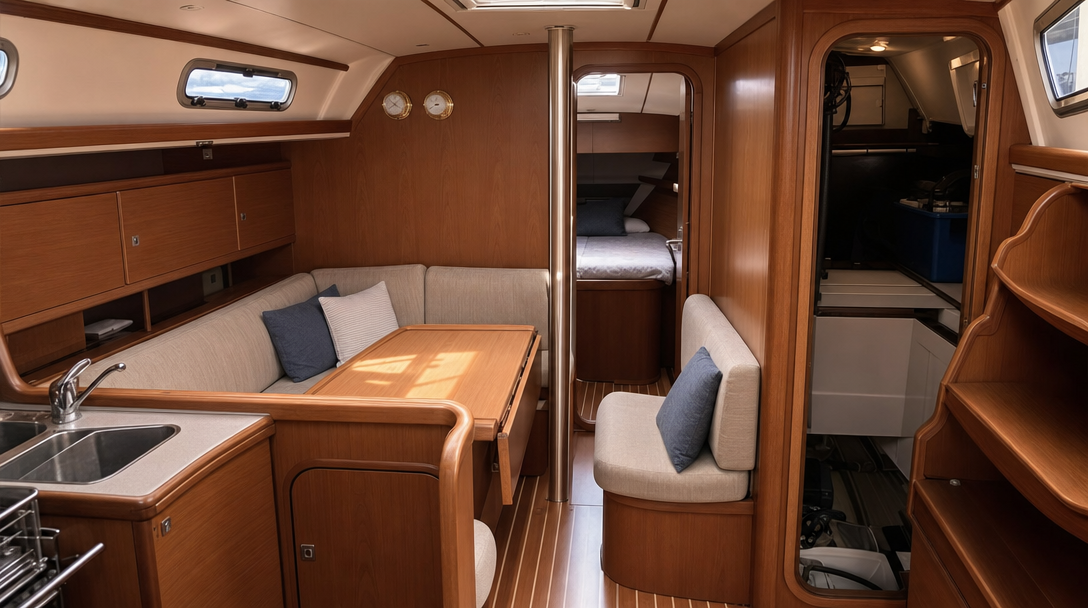
Excess equipment increases not only the purchase price
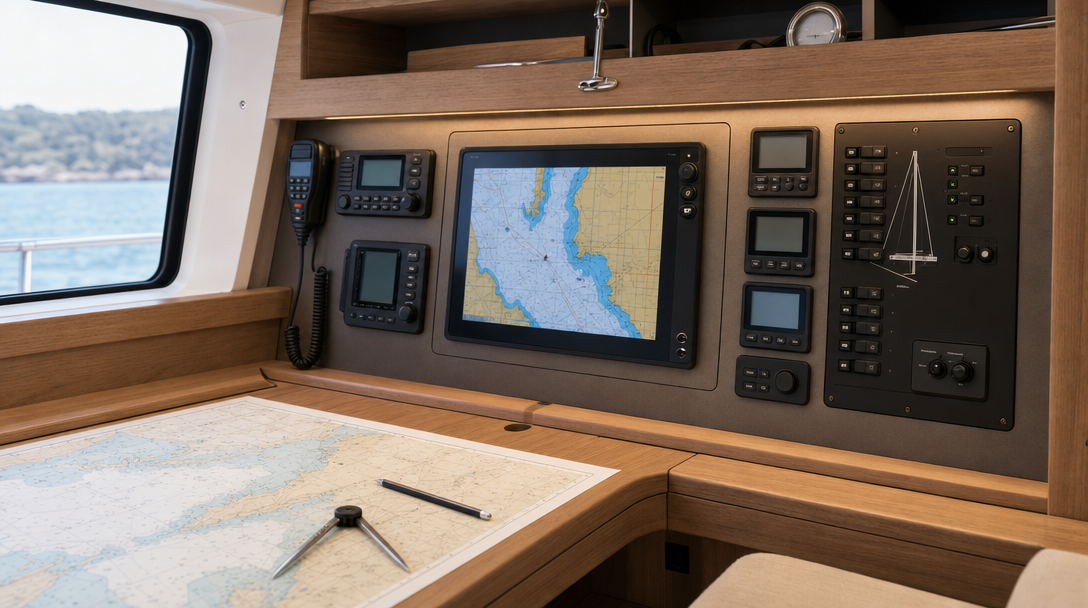
The fourth mistake is ordering equipment without considering the sailing program. Marine systems are expensive, and each additional unit requires monitoring, maintenance, and time. Therefore, it's best to divide your yacht's equipment into several groups in advance:
- Necessary for safety. In this category, saving is not seen as a way to reduce the budget.
- Necessary for a specific swimming program. For example, a desalination plant may be necessary for a long Atlantic crossing, but in the western Mediterranean, according to the expert, they can be done without one; in some places, water can be obtained for a small fee.
- Something that can be installed later. This approach does not overload the boat with technical systems even before the first seasons.
Excessive equipment also impacts subsequent sales. European buyers may be reluctant to pay for systems that will require maintenance or dismantling, while the additional weight and number of components will serve as a price reduction argument. The cost of the equipment does not automatically equate to its future market value.
Before ordering any expensive item, ask yourself two questions: is it necessary for your specific program, and are you prepared to constantly monitor it? This will make it easier to distinguish a useful package from a feature set chosen simply because it's available.
Tax status and country of sale require verification, not belief in myths
The fifth myth concerns VAT when purchasing a yacht: some buyers believe that already paid tax can be reclaimed upon purchasing a used boat. An expert formulates this position as follows: if VAT has already been paid, it is included in the yacht's price and is not refundable. The tax treatment of a new boat and the status of a used yacht require separate verification.
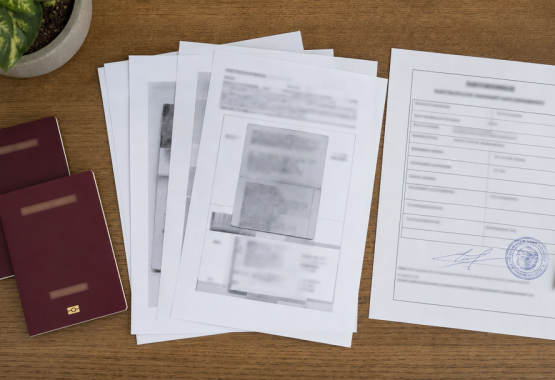
If a boat is offered VAT-free, its origin and documentation require special attention. Possible options include non-resident boats and charter yachts, sometimes passed off as private. When purchasing, it's a good idea to request a VAT payment certificate and retain it, including a high-quality copy. This document doesn't replace the need to verify the specific transaction and the boat's status.
The sixth myth is the idea that high-quality yachts are automatically cheaper in the US. Participants in the conversation found no evidence to support this general rule, noting that American buyers come to Europe for new yachts. The low price of an individual boat may be explained by its condition, origin, registration, or accumulated liabilities.
| Myth or Expectation | What to check | Why is this important? |
|---|---|---|
| Already paid VAT can be refunded | Was VAT paid and what documents confirm this? | Tax is included in the price of a used yacht if it has already been paid. |
| A boat without VAT is always more profitable | The origin of the boat, its tax status and VAT certificate | The price without VAT does not replace the verification of documents. |
| In the US, quality yachts are cheaper | The condition, configuration, origin and final liabilities of a particular boat | You need to compare boats, not just countries of sale |
| A homemade boat for little money is a ready-made deal | Registration, status and possible debts to the marina | Low price may come with additional risks |
The listing price should be considered in conjunction with the documents, condition, and future expenses. It's best to check the tax status before the transaction, not after selecting the boat.
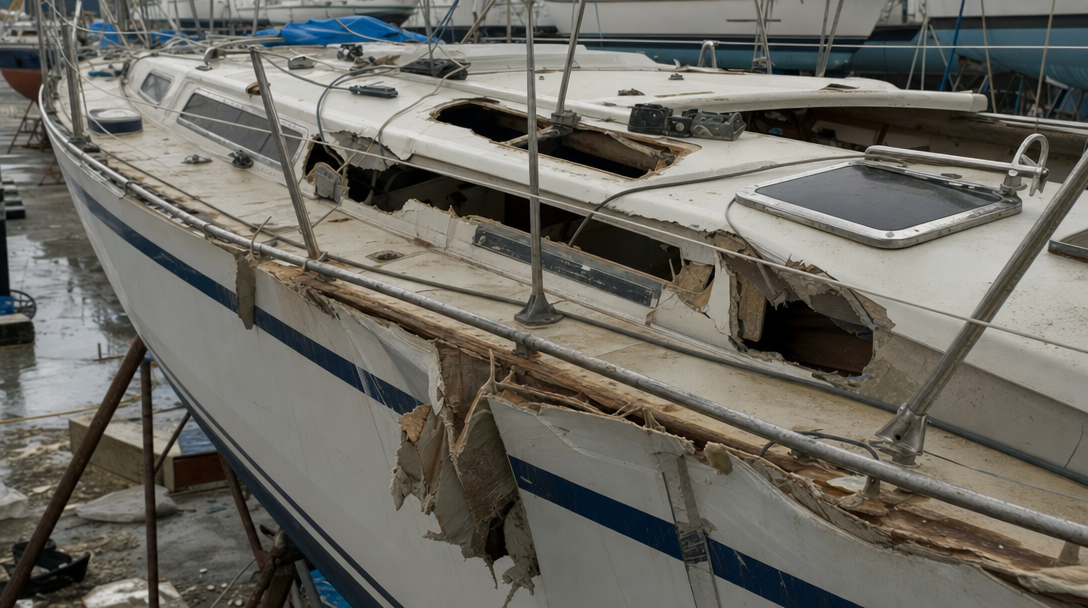
A yacht damaged by a hurricane is not a shortcut to savings.
The seventh myth is buying a yacht after a hurricane with the expectation of repairing it yourself for a small budget. Replacing a winch, toilet, or individual parts on shore seems like a straightforward task. However, a full inspection can reveal hidden damage to the hull and supporting structures, which quickly increases the initial list of work.
Restoration requires more than just spare parts. It also requires man-hours, workspace, suitable premises, and the ability to receive parts on time. Even in La Rochelle, where brands have warehouses, deliveries can be delayed. In the other locations mentioned, logistics are even more complex, making it difficult to determine the project's timeline and budget in advance.
A separate risk is associated with improper restoration of load-bearing components and fasteners. A poorly secured winch can be torn off by a strong wind, and a torn cleat can cause damage to the boat at the dock. This risk precludes DIY restoration from being a simple matter of replacing a few parts.
Buying a damaged boat can make sense as a conscious hobby or as a full-fledged refit if the owner has experience and a clear understanding of the project. When the primary goal is to save money, the likelihood of real savings is slim. Before making a purchase, it's important to assess the condition of the hull and structural components, the work site, the availability of supplies, the timeframe, and your own expertise. A smaller, serviceable yacht may be a more suitable solution than a larger boat with an uncertain scope of restoration.
Buy a yacht for real life, not for the maximum configuration
A rational yacht purchase begins with a sailing plan, permanent crew, and budget. Then, compare the size and layout to a realistic family, separate necessary equipment from unnecessary ones, check the tax status and documents, and evaluate a used boat based on its condition and future maintenance.
Before making a purchase, answer four questions: Where and how will the yacht be used? How many people will actually be sailing on it regularly? What cabins and systems are you willing to pay for not only at purchase but also during maintenance? How can I inspect the yacht before purchase to understand its documentation, condition, and the scope of future work? If the answers match, the chosen boat has a practical basis; if not, it's worth reconsidering the size, features, or the actual purchase.