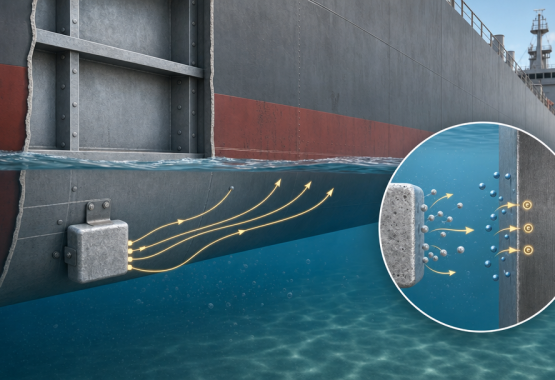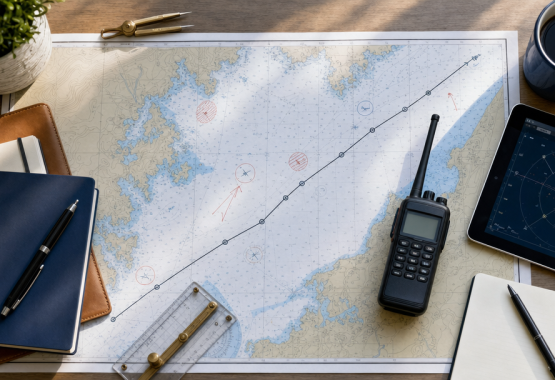
How can you tell if the yacht you like won't be a source of endless problems? A buyer boards the first boat they see, inspects the spacious cabin, and immediately decides: "I'll take it." In the heat of the moment, it's easy to miss details that contradict the seller's words. For example, the black stripe along the side, the different furniture finishes above and below that line, and the charter plotter's route showing a recent passage from the Caribbean.
Such signs do not necessarily mean that the hull is flooded, but they require careful inspection. mistakes when buying a yacht are made before the deal is made—when a liking for a beautiful interior replaces a technical inspection, calculation of a realistic budget, and an assessment of one's own plans.
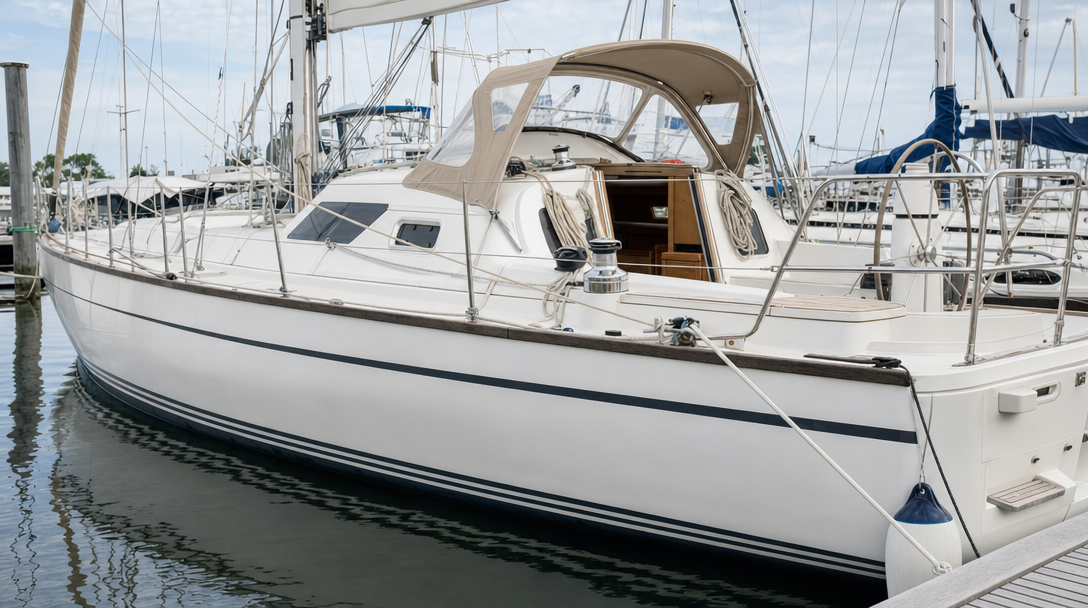
How to avoid mistaking the first yacht you like for the right choice
The first mistake is buying on impulse. A person finds a boat at the lower end of the market, comes to view it, and decides it's livable simply because they can stand upright inside. The feeling of comfort on board says nothing about the boat's technical condition.
Before making a purchase, it's helpful to inspect dozens of options and not rush for fear of missing out on a good deal. Rushing is especially costly in the €100,000–€300,000 range, where the price of inattention can be €20,000–€30,000. Extremely low prices are also a poor benchmark. A 50-year-old boat priced at €10,000 won't get any cheaper, but it also won't offer the same comfort and performance as newer models.
The second mistake is expecting the cheapest yacht to offer a painless introduction to life on the water. Instead of exploring, buyers often end up with endless repairs, marina bills, and rough seas at anchor. This approach is ideal for those who enjoy restoring the hull and overhauling the mechanisms themselves, rather than heading out to sea.
The answer to the question of how to choose a yacht for cruising depends on the crew composition. Comfort is generally considered to start with boats around 45 feet long, although a solo sailor might find 36–40 feet sufficient. Before making a purchase, it's important to clearly determine whether you need a boat for regular maintenance, solo sailing, or vacations with friends.
How to calculate a budget based on parking lot size and cost
The third mistake is spending all your available funds on the purchase. The amount stated in the contract doesn't cover future expenses. After the paperwork is completed, funds will be needed for bringing the yacht into working order, replacing the rigging, mooring, fuel, insurance, licenses, and unexpected breakdowns. Therefore, it's wise to budget for the yacht purchase, including the remainder needed in the first year.
| Indicator | Calculation example | What does this mean? |
|---|---|---|
| Overall budget and price of the yacht | 100,000 and about 70,000 euros | Don't spend all your available money on the boat itself |
| Money after the deal | Around 30,000 euros | Leave funds to prepare the yacht for sailing |
| Separate reserve | About 10% budget | Keep an emergency supply |
| Length of the yacht | 45 and 60 feet | A larger boat requires a different marina and more expensive parking. |
| Tariff limit | Up to 13 m and over 13 m | A slight excess of the threshold moves the boat into the next price category |
If you have €100,000 to buy, it's recommended to consider options around €70,000. The remaining €30,000 will go towards ongoing maintenance. It's also worth keeping around €10% of your budget as an emergency fund. This money may not be needed, but its absence will turn any unexpected breakdown into a financial impasse.
The fourth mistake is buying an oversized yacht without checking the availability and cost of berths. Berthage for a 45-foot model costs approximately €2,000 per month. A 60-foot boat might not have a berth in the same marina, and an annual contract at a nearby berth would cost up to €20,000. Base rates are usually tied to the vessel's dimensions: up to 10 meters, up to 13 meters, or from 13 to 15 meters. An extra centimeter of length can increase regular payments by €20%. Before signing a contract, it's important to compare the vessel's length, berth availability, and berth costs in your chosen marina.
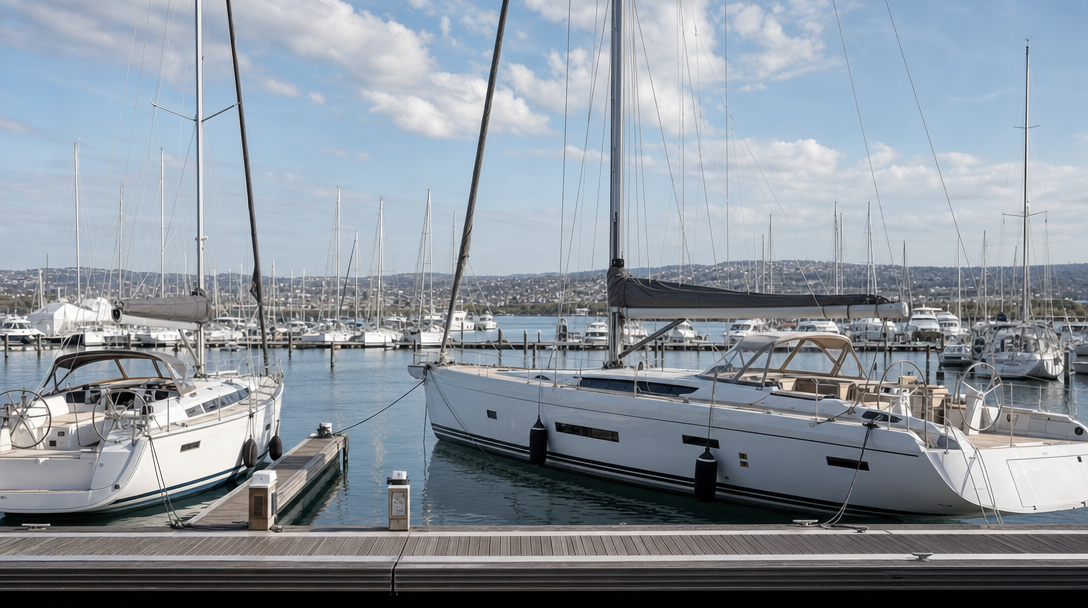
What to check before a deal and why you need an independent surveyor
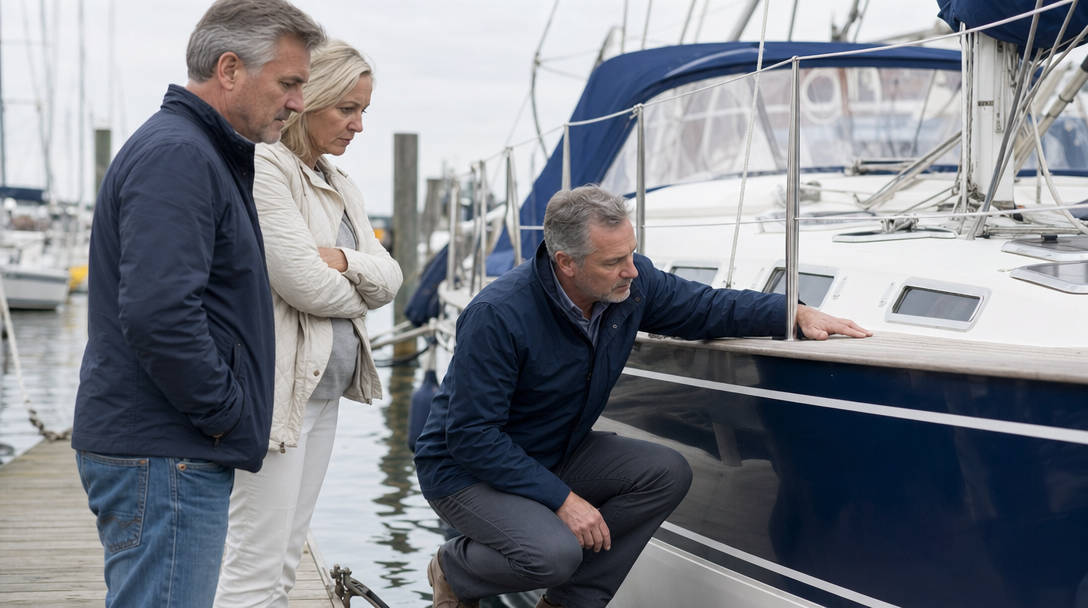
The fifth mistake is refusing a professional technical inspection. Even if the boat is being sold by a friend with whom the buyer has gone fishing before, this doesn't guarantee against hidden defects. The seller may conceal a serious collision or conceal an engine malfunction.
Why meeting the owner is not a substitute for an inspection
A detailed inspection of a yacht before purchase separates personal preferences from the facts. A dark streak on the side, distinctive furniture in the cabin, and saved tracks in the navigator are all reasons to question the vessel's history. It's rare to notice and correctly interpret such traces without special training.
How to maintain audit independence
- Invite a professional surveyor who has the right to issue an official report on the condition of the vessel.
- Ensure that the specialist acts independently and is not connected to the seller by hidden agreements.
- Don't substitute expert advice for advice from fellow yachtsmen. An experienced captain can point out obvious flaws, but without a license, their words carry no legal weight in negotiations or claims.
A trusted independent surveyor doesn't insure against every possible future damage when purchasing a yacht, but they do provide an objective assessment of the hull and components before handing over the money. The question of "how to inspect a yacht before buying" should be answered by an official inspection, not by relying on the seller's honesty.
Why doesn't the training end after two weeks?
The sixth mistake is heading out to sea without sufficient experience and practice. Watching training videos and even an intensive two-week course won't turn a novice into a capable captain. After basic training, you can maneuver carefully in your home marina, but long-distance voyages require hours of sailing in controlled conditions.
Engine failures, sail breaks, propeller entanglements, anchor loss, and sudden storms can occur on the water. Theoretical procedures for dealing with such emergencies should be practiced in advance, preferably on shore or during short training outings.
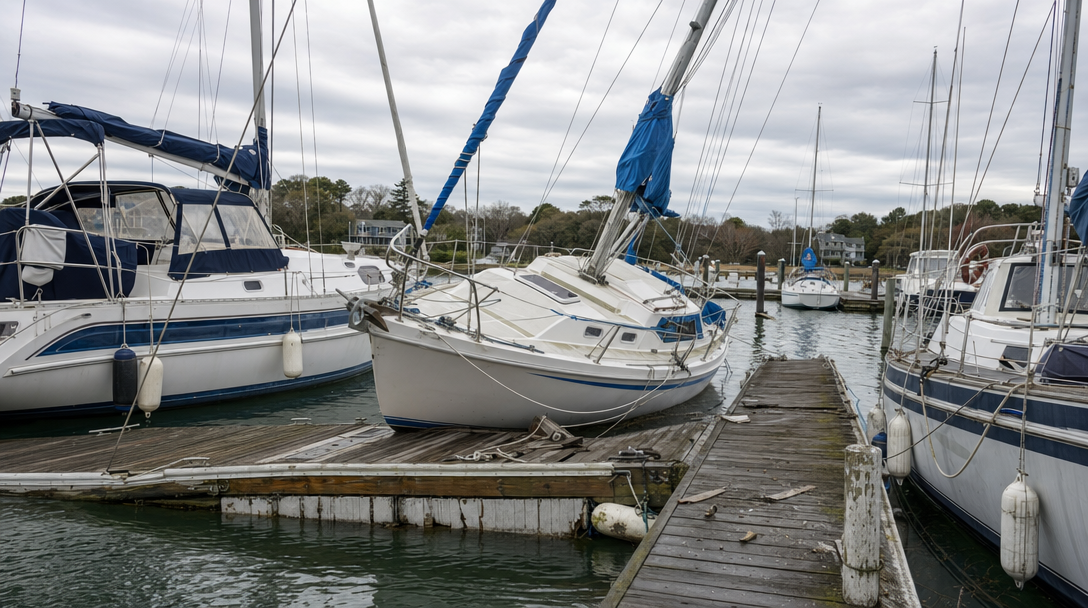
Superficial confidence and professional equipment are no substitute for actual skill. There have been cases of crews damaging neighboring boats, breaking their own moorings, and scraping boat sides due to maneuvering errors during marina rescue operations. When figuring out how to prepare for a long-distance yacht voyage, it's important to remember: obtaining a certificate is only the beginning of practical navigational training.
How to choose a yacht for a real-world use case
The seventh mistake is buying a boat before formulating a clear plan for its use. Owners often choose a boat for solitary cruising, only to later decide to take passengers on board, organize tours, or start a blog. A change of plans reveals the yacht's inadequacy for its new purpose.
Before exploring options, it's important to honestly answer questions: are you planning solo sailing or a relaxing getaway with a group of friends? Will the boat be your permanent home? Will you be sailing ocean crossings or coastal cruising? Purchasing a yacht for commercial use carries its own risks. Unofficial paid charters can lead to serious problems, including fines of up to €50,000, depending on the local jurisdiction and circumstances.
If the future format is unclear, it's wiser to charter a boat for a couple of weeks. This will help you assess your realistic expectations of pitching, cramped quarters, sail handling, and financial costs. Practical experience will quickly reveal whether you need your own boat right now.
What to check before buying a yacht
Buying a yacht won't turn into a financial disaster if you take a consistent approach: first, decide on a plan and try chartering, then set a full budget with a reserve, and only then hire an independent surveyor. The contract price is just the entry fee to yachting, followed by expenses for berths, repairs, and maintenance.
- Is the boat suitable for my itinerary, number of guests and plans for life on board?
- After payment, is there money left for the first year of maintenance and an emergency reserve?
- Has the body and engine been inspected by a licensed professional not affiliated with the seller?
- Do I have enough practical experience to safely leave the marina in this boat?