Many cruisers begin their budget planning with one question: "How much does a suitable boat cost?" It seems that saving up for the yacht itself will overcome the main financial hurdle. But reality often hits the wallet even before the first serious voyage. It turns out that money is needed for urgent repairs, refits, moorings, and paperwork. If you live like you're on vacation during the first year of sailing—dining out, traveling extensively on land, and not keeping track of your balance—you can spend all your savings in a matter of months.
The cost of a circumnavigation can't be reduced to a single figure or simply multiplied by the length of the route. The final budget is based on four factors: the yacht itself, regular maintenance, the cruising area, and the typical lifestyle onboard. Breaking down these factors will help you understand how much money you should really keep in reserve after purchasing the vessel and how to avoid ending up empty-handed in the middle of the ocean.
What four factors determine the budget for a round-the-world trip?
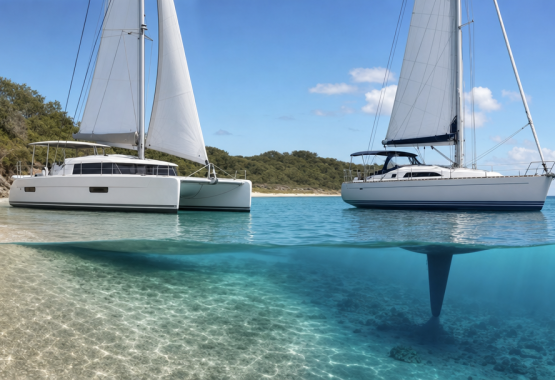
The first factor is the size, type, and cost of the sailboat. The larger the vessel, the more expensive it will be to haul it ashore, store it on land, and maintain it. For example, a catamaran may require twice as many components as a monohull. Therefore, it's dangerous to separate the initial purchase price from future maintenance costs.
The second factor is the technical condition and the scope of work that will inevitably be required both immediately after the transaction and during the journey. The third is the navigation area. Long-term experience shows that Southeast Asia remains one of the more accessible regions compared to the Mediterranean, the United States, and some Western countries. However, even within a single waterway, costs will vary greatly depending on specific anchorages, available services, and the planned route.
The fourth factor is lifestyle. If you want, you can spend months at a remote anchorage, eat pre-purchased food, and spend next to nothing. Alternatively, you can regularly pay for marinas, dine ashore, and go on land expeditions. To make your calculations realistic, it's worth determining in advance the type of boat, the region, the proportion of shore-based expenses, and the amount of repairs you can handle yourself.
| Category | What does it include? | What does it depend on? |
|---|---|---|
| Fixed costs | Boat, survey, insurance, registration, AIS, visas and permits | Boat price, country and sailing area |
| Regular variables | Landing, repairs, parts, engine, rigging, sails, fuel | Size, condition and intensity of use |
| Additional variables | Desalination plant, solar panels, batteries, radar and other equipment | Selected level of autonomy and comfort |
| Living expenses | Marinas, food, travel and return home | Everyday decisions and route circumstances |
What to budget for before you set sail
The first line of the budget is the yacht itself. A 1989 Oyster 435, for example, cost £75,000 in 2004, paid for entirely out of pocket. This isn't a universal price guide, but it does remind you of an important detail: if a yacht is purchased with financing, regular financing payments will inevitably be added to the base price.
After closing the deal, it's recommended to set aside at least 20-25% of the total budget for unexpected expenses and modifications. This isn't a strict financial guideline, but a proven rule of thumb. You'll need a reserve even when buying a new boat: unless it was custom-built with every conceivable equipment, there will be things you'll want to install or change within the first few months.
Before handing over the money, it's worth paying for a full technical inspection. This is especially important when buying your first boat, when it's difficult to spot hidden defects on your own. The quality of services and surveyor rates vary greatly, but any problems found can not only save you from a risky purchase but also serve as a compelling argument for a lower price.
The next mandatory item is insurance. For the aforementioned Oyster 435, full coverage for the entire cost of the vessel cost approximately £1,945 per year. The final rate always depends on the boat model and the declared water area, and the insurer may exclude certain zones or tropical storm seasons from the policy. It's also important to check the requirements in advance because some countries—for example, Thailand, Malaysia, and Indonesia—require a valid insurance certificate upon purchase.
Medical insurance is often an area of uncertainty. Finding adequate coverage for those living permanently on board can be challenging. Local conditions must be carefully researched: in some places, medical care is available without special coverage, and before crossing to the US, reliable insurance becomes critical to avoid huge bills.
Fixed costs also include AIS installation. Having a device that receives and transmits vessel data is becoming standard: a new Vesper XP 6000 transponder cost around $600. In many ports, authorities already require an MMSI number and the boat's visibility in the system at the registration stage. Registration is also important: the British SSR version costs £35 for five years, while the extended Part 3 version costs £135. The final step is visas and sailing permits. To put this into perspective, in 2013, the right to remain in territorial waters in the Maldives cost around £1,500, and the price remained the same whether the boat was moored for two weeks or three months.
- Check how much money is left after purchasing the boat and any financing.
- Separate the costs of technical inspection from the future reserve for improvements.
- Check your insurance coverage against your intended cruising area.
- Check registration, AIS, visas and permits for the countries on your route.
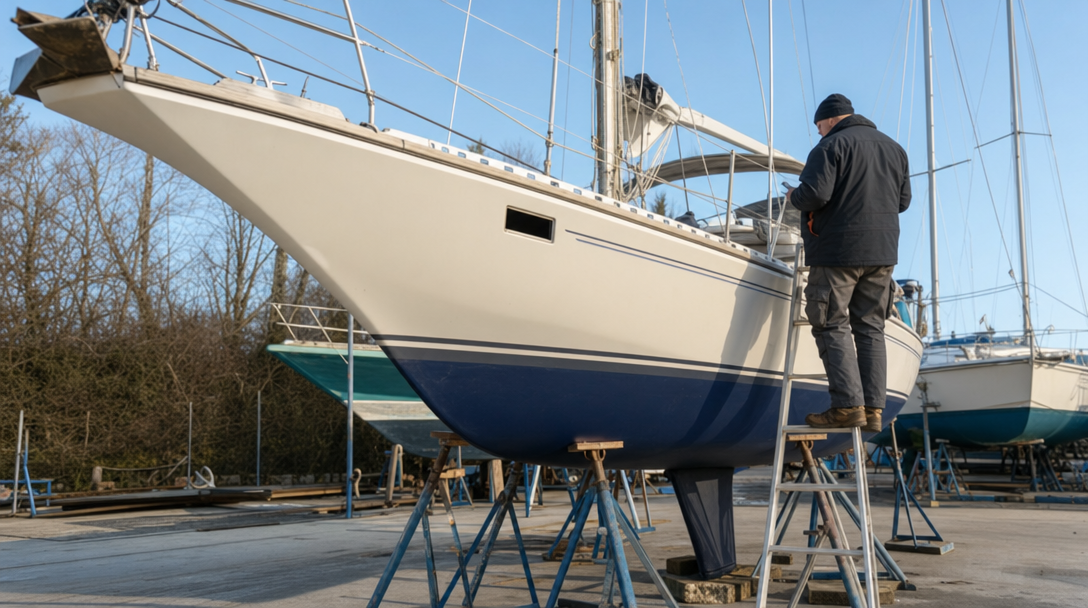
What maintenance costs can turn a breakdown into a big bill?
How does regular inspection affect repair costs?
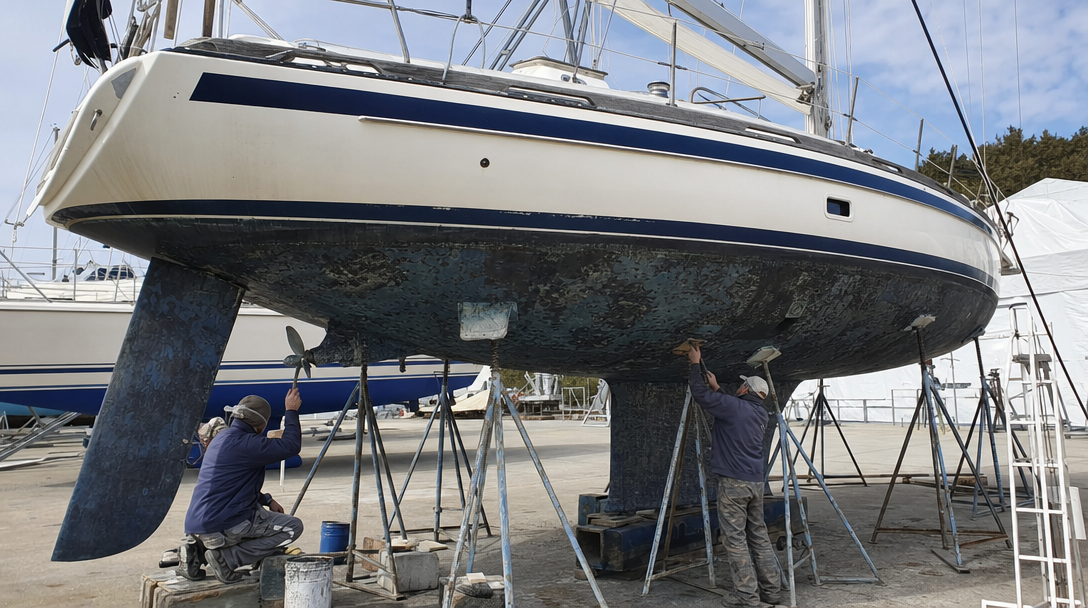
It's logical to start with regular variable expenses with hauling the yacht ashore. This procedure is necessary for inspecting the hull, checking outboard fittings, and renewing the antifouling paint. In addition to crane services, the bill includes space rental and crew accommodation ashore. The larger the vessel, the more expensive these days will be.
It's considered prudent to raise a boat annually. Failure to do so can be very costly. In one case, the yacht Espa spent nearly four years in the water, three of which were spent in the brackish waters of India. This resulted in severe osmosis damage to the hull. When the boat was finally raised in Thailand, it remained ashore for a full year, requiring a complete refit costing £65,000.
Any upgrade entails purchasing spare parts, which aren't always available at the nearest store. Budgeting should include not only the cost of the part itself but also the expectation of express delivery. The same applies to labor costs: many tasks can be completed in-house, but complex work will require hiring professionals. In regions like Southeast Asia, hiring local craftsmen can often save money.
It's not just ship components that require regular replacement. Laptops, phones, cameras, and other electronics have a significantly shorter lifespan in the marine environment, so upgrading them should be included in your recurring expenses list right away.
What large systems require a separate backup?
The most budget-threatening situations involve the failure of major components. For example, a new Beta 60 engine cost approximately £8,000, excluding shipping from the UK. While the engine was being transported to the repair shop, the boat was moored, adding berthing costs to the bill. When planning the replacement of any major equipment, you need to factor in associated costs: shipping, mechanics, mooring time, and accommodation.
Rigging and sails require special attention. Some insurance companies require replacing standing rigging every ten years, although sometimes this period can be extended after a thorough inspection. If there is even the slightest doubt about the yacht's history, it's wiser to replace the rigging entirely, as was done on Espa in 2009. Updating the yacht's sails can also be costly: in 2017, replacing four ketch sails cost £6,650, and adding a Code-0 furling sail the following year cost an additional $3,000.
The ace and outboard motor are the mainstays of anchorage. They can be stolen, broken, or lost. It's realistic to budget for at least one complete replacement of this set every six years of active sailing.
A life raft, emergency gear, and onboard power systems require significant investment. In 2018, purchasing a new four-person Viking liferaft for the open sea cost £1,950, as the old one was found to be damaged internally after being opened. That same year, upgrading to a modern lithium-ion system cost £5,500—this included a 3-kilowatt inverter, a BMS, a step-down transformer to 110 volts, and professional installation.
Equipment that increases autonomy and comfort are categorized as additional variable costs. These include radar, watermaker, larger solar panel arrays, a washing machine, and climate control. A watermaker is critical for life in uninhabited waters; about ten years ago, it cost £4,000, but a similar model has since risen to £6,000. Finally, diesel, petrol, and gas require regular monitoring: prices vary by country, and consumption directly depends on boating style.
- List the work that requires lifting the boat and the associated costs on land.
- Separately mark systems whose replacement will require delivery, parking, or specialist fees.
- Separate between mandatory repairs and equipment chosen for autonomy or comfort.
- Once you have selected your sailing area, add fuel, petrol and gas to your regular expenses.
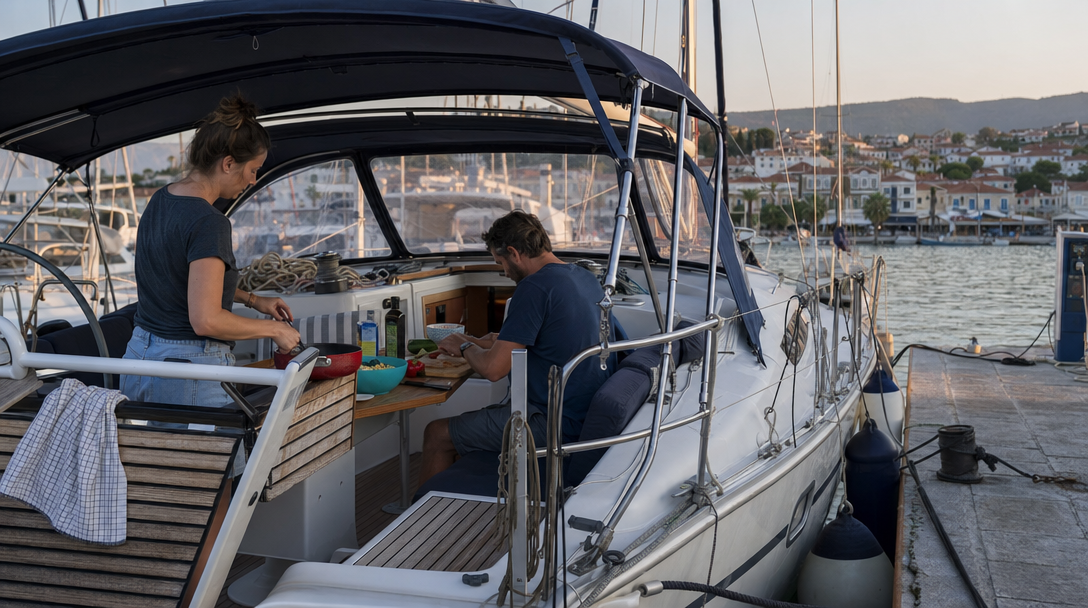
How Lifestyle Changes Monthly Yacht Expenses
Daily habits are the easiest part of the budget to manage. In remote anchorages far from civilization, expenses can approach zero if the pantries are stocked with provisions in advance. This contrast perfectly illustrates the difference between complete independence and life in developed waters.
However, a marina isn't always a voluntary choice. A yacht can be held at the pontoon for a long time due to a broken engine, waiting for spare parts, or closed borders. During global lockdowns, many had to pay full berth rates for months. Therefore, plans should include a reserve for any forced marina stay.
Exploring a country rarely ends with the coastline, so land travel is a separate expense. In Southeast Asia, many cruisers leave their boats in secure moorings and fly overland to explore Vietnam or Cambodia. Such excursions require paying for tickets, hotels, and secure yacht parking.
Daily meals also determine your budget. Experience shows that cooking in the galley can cut food costs almost in half compared to regular dinners ashore. Before departure, it's a good idea to be honest about how much of your meals will be from your own supplies and how much from cafes and restaurants.
Another important factor is returning home. Even on the longest voyages, situations arise when you urgently need to fly to see relatives. At these times, you'll need money for airfare, boat maintenance, and accommodations back home. It's considered wise to budget for one round-trip trip home about once a year.
When trying to figure out how much it costs to live on a yacht, it's best to consider three different scenarios: a month of complete independence at anchor, a typical month with marinas and excursions, and a crisis month with repairs or an unexpected departure. A common mistake beginners make is spending their savings as if the trip were a short vacation, instead of living strictly within their regular monthly income.
- Determine how often you are willing to use marinas and how long you can spend there if you are forced to.
- Choose the proportion of meals on board and meals on shore.
- Include in your calculations land travel and safe anchorage of the boat during it.
- Leave funds for the return trip home and the maintenance of the boat in the absence of the crew.
How to check your budget before starting a round-the-world voyage
When planning a route, there's no point in looking for a single, universal figure. It's much more reliable to break down the budget into the purchase of the boat, maintenance, major repairs, additional equipment, and the crew's daily expenses. A reserve of 20–25% of the boat's cost is necessary precisely to ensure that the purchase and sale transaction doesn't turn out to be the last major expense before an empty bank account.
To ensure you're ready for the transition, check four questions:
- Will there be any funds left after purchasing and inspecting the boat?
- Are shore access, parts, delivery, specialists and possible major replacements taken into account?
- Are the insurance, registration and permits appropriate for the chosen cruising area?
- Does a regular income allow you to pay for marinas, food, travel, and forced return home without a permanent vacation regime?