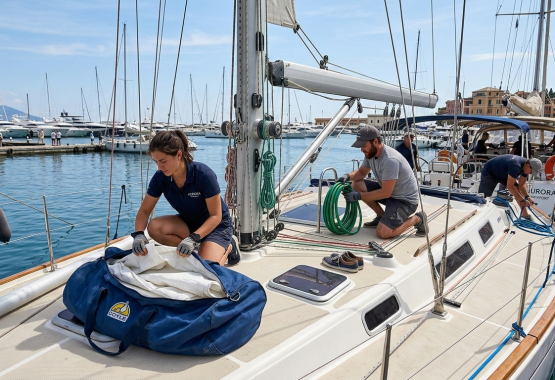
Chartering a sailing yacht isn't a formality; it's a crucial procedure that protects you from risks, unnecessary expenses, and disputes. This article provides a clear, practical checklist and step-by-step instructions on what to check at the dock, how to document defects, and what questions to ask before setting sail to ensure a smooth and safe charter.
Choosing a charter company and planning your arrival
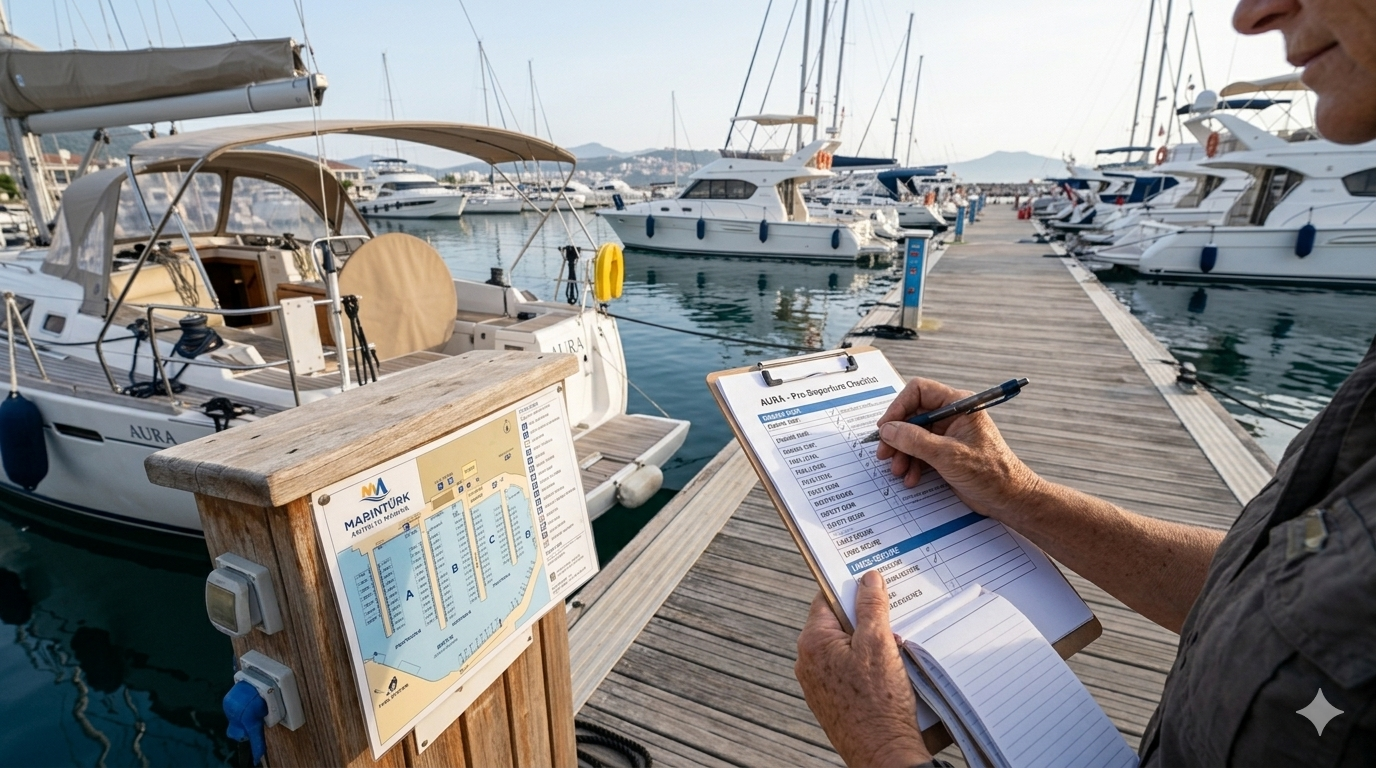
Look for charters on the marina map or at the port office—they usually list the companies and pontoons based there. Check the yacht delivery schedule: often, delivery is on Saturday and pickup is on Friday. Business hours start early, so arrive with plenty of time for inspection and instructions.
Preparation for acceptance
Bring the charter company's checklist, a notepad, and a flashlight; a mobile phone with photo and video capabilities is essential. Record the inspection time, describe, and photograph any damage—this is key in any dispute over a deposit refund.
Yacht acceptance: interior and general inspection
Inspect the salon and cabins before loading luggage—cleanliness and order make it easier to spot hidden defects. Check the control panel: switch labels, battery, water, and fuel indicators. Learn the functions of key switches and handles in advance—this will prevent accidental power outages at sea.
Galley
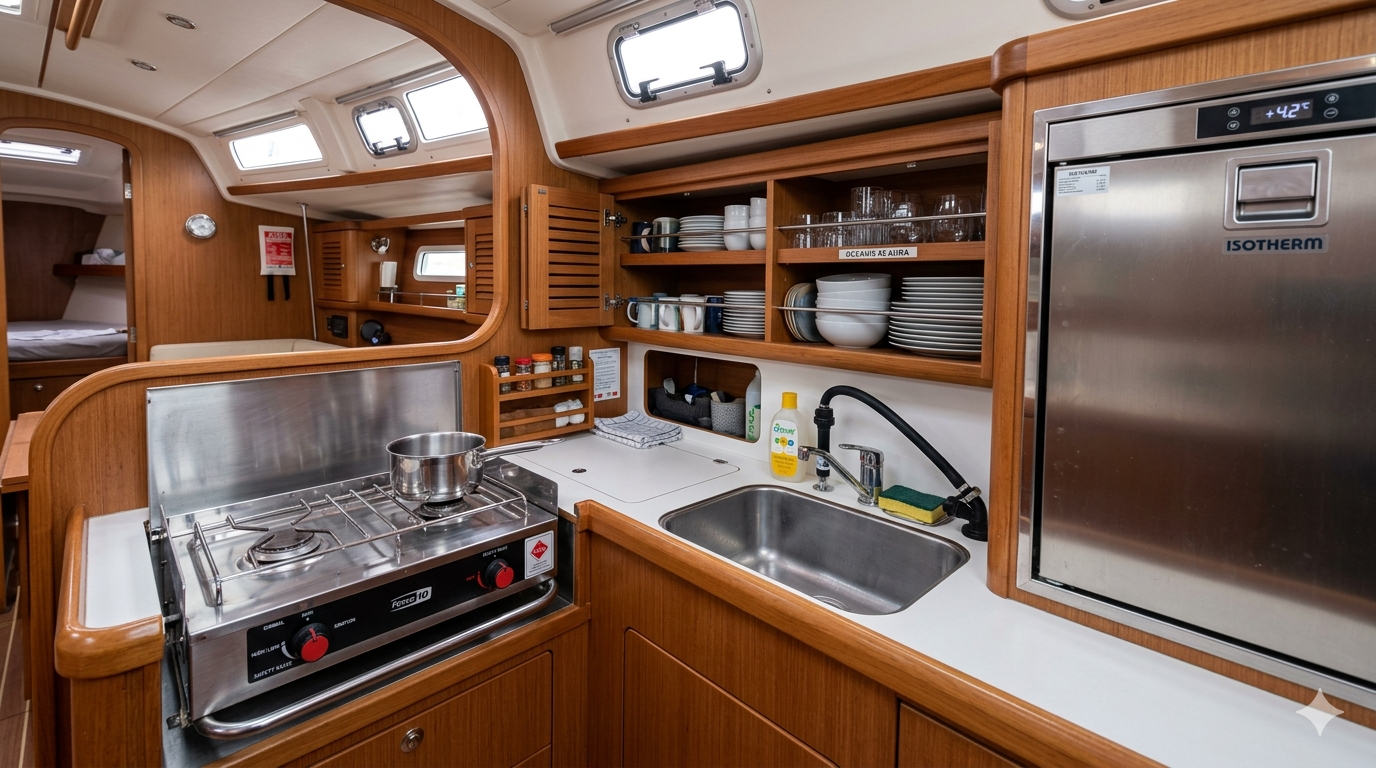
Check the gas system: the electronic switch and mechanical valve should shut off the supply completely. Make sure the seawater pump is working, and check the arrangement of the dishes and the refrigerator's capacity. Do not load perishable items until the refrigerator is confirmed to be in good working order.
Water supply and toilets
Locate the water tanks and the switch between them, turn on the pump, and check the pressure. The mud tank is often translucent—a flashlight will help you assess the level better than a gauge. Inspect the faucets, shower, and electric toilet, and note the position of the inlet and outlet valves before heading out to sea.
Electrics and batteries
Check the battery types: service, starter, and bow thruster. Locate the circuit breakers and charger, check the charge indicators and 12V/220V outlets. Explain to the crew the location of the main switches—turning them off completely shuts off the power to the yacht.
Engine and fuel system
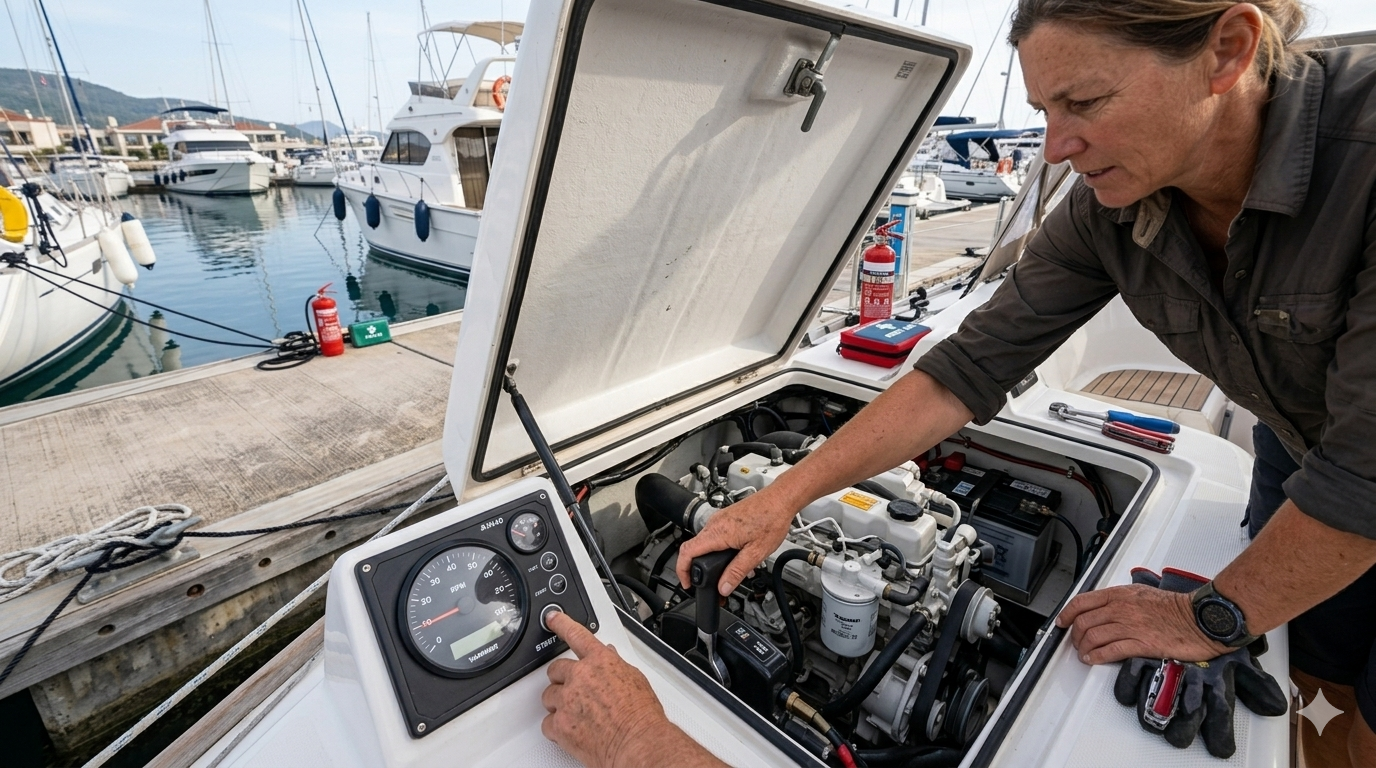
Check the fuel level on the dashboard and the engine's appearance: no leaks, correct belt tension, and the presence of the dipstick. If the engine is, for example, a 55 hp Volvo Penta, check the condition of the impeller and spare belt. Check access to the fuel tank and the condition of the intake/return lines.
Security systems
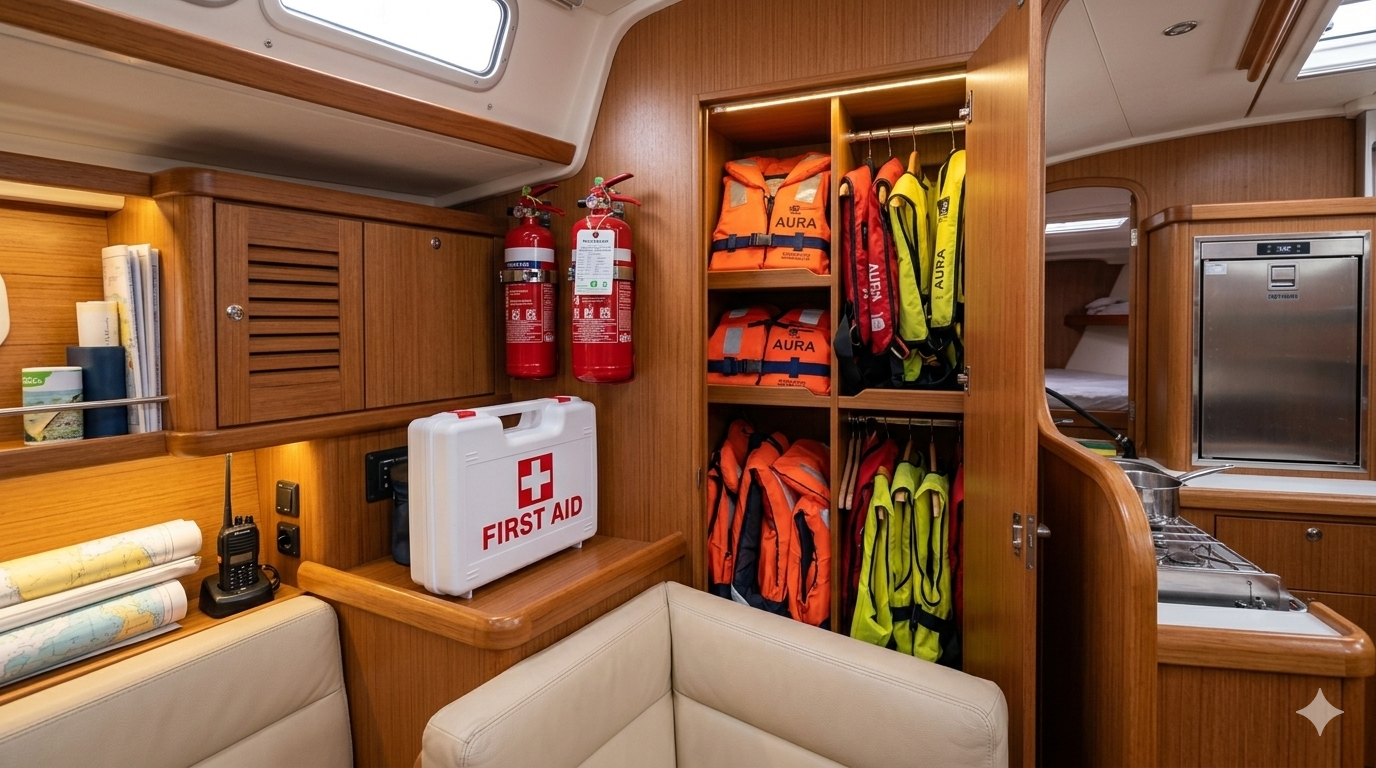
Check the fire extinguishers and their indicators, first aid kit, flares, and horn. Try on and adjust life jackets for all crew members. Ensure the main water pump is accessible and operational.
Exterior and rigging
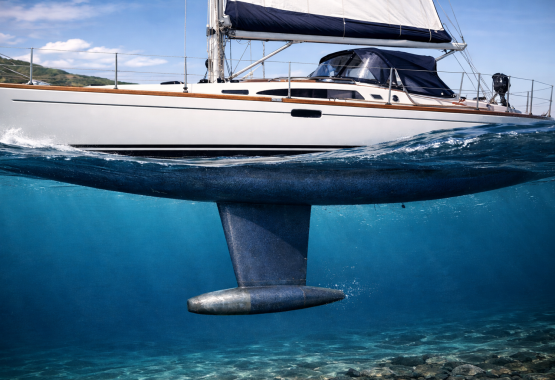
Inspect the hull for chips and defects; ask for a dive report or photos of the hull bottom. Check the sails and rigging: halyards, blocks, and sheaves should be intact and properly installed. Inspect the anchor and the working winch—make sure the chain is marked and that it can be raised without the engine.
Starting the engine and checking external mechanisms
Before starting, ensure the transmission lever is in neutral. Start the engine, check idle and mid-range speeds, the tachometer, and the bow thruster. Locate the anchor winch fuses and relays and receive a brief instruction on how to reset them if they trip.
Documents, payment and final procedures
Completing the crew list and checking the documents is the final step. Pay the remaining balance and the deposit as per the contract, and receive the paper instructions and yacht map. Record any defects found in the logbook and with photos, approve them with the charter company representative, and obtain a signature or endorsement on the documents.
Step-by-step instructions for acceptance
- Come in advance with a checklist and documents.
- Inspect the interior: panel, galley, refrigerator.
- Check water supply and toilets, switches and pumps.
- Inspect the electrical system: batteries, switches, charging.
- Check the engine and fuel system, start the engine.
- Check your safety equipment: vests, fire extinguishers, first aid kit.
- Inspect the rigging, sails, anchor and chain; check the condition of the hull.
- Document any defects with photos and in a logbook, sign the crew list, and agree on financial matters.
Brief acceptance checklist
- Interior: cleanliness, cabinets, refrigerator.
- Water: tanks, pump, shower, mud tank.
- Electrical equipment: batteries, switches, sockets.
- Engine: leaks, belt, oil dipstick.
- Safety: vests, fire extinguishers, flares.
- Exterior: hull, sails, anchor and chain.
Common mistakes and how to avoid them
- Don't record defects - take photos and write everything down right away.
- Ignore the gas system - check the gas valve and switches in the galley.
- Failure to check the switches and batteries - conduct a brief briefing on electrical issues for the crew.
- Don't try on life jackets - adjust them before going out to sea.
- If you don't know how the anchor winch and fuses work, find out how to restore them and where to find spare fuses.
Conclusion
A systematic acceptance process saves time and reduces risks during the voyage. Arrive early, follow the checklist, record any comments with photos and in a logbook, prepare a crew list, and discuss all issues with the charter company representative—this will ensure the most predictable and safe yacht charter possible.