Buying your own boat often seems synonymous with absolute freedom. But what if, after 12 days of continuous sailing, you see the same sea, the same deck, and the same people on board? This is precisely the contradiction you might encounter after sailing 1,300 nautical miles from Connecticut to Miami. Instead of the expected dynamism, two months of life on the water can reveal the opposite side of ownership: a slower pace, constant monitoring of the moorings, and complete dependence on the boat's technical condition.
For many, yachting as a lifestyle is a practical solution: it offers a home on the water, storage space, and a way to live without the expense of renting a property. However, the pace of a free traveler rarely aligns with the daily routine of a boat owner, who must worry daily about weather, anchors, marinas, and the next potential breakdown. Therefore, the question of whether to buy a yacht begins not with choosing a model, but with the willingness to live near the boat almost constantly.
Why a Long Transition May Be Too Slow
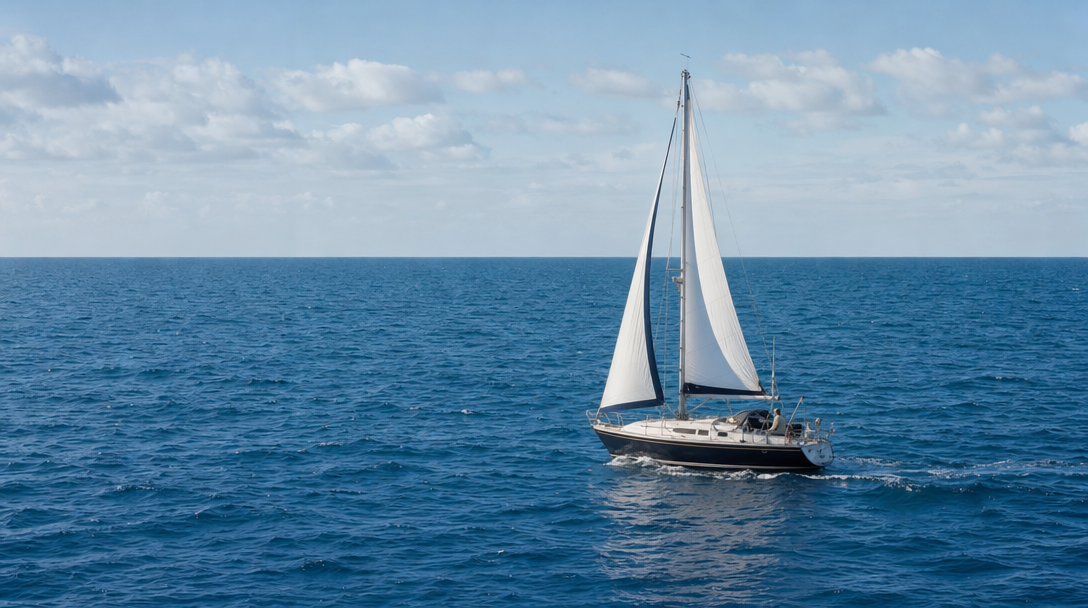
Sea distances dictate their own pace. Before setting sail, it seems like a yacht trip will be a continuous series of new destinations. In reality, a single passage can take 12 days, during which the surrounding space remains unchanged: only the sea, the ocean, the boat itself, and the crew.
The variety on such a voyage depends largely on the company. Between shifts, the only things available are books, TV series, and the routine of life on board. This relaxed pace suits those who are comfortable spending long periods in a confined space. But those looking for a dynamic vacation quickly become bored on board.
Therefore, the desire to reach remote islands should be immediately separated from the willingness to make a long journey to them. If you want to change your surroundings frequently, it's better to honestly imagine yourself not at your destination, but in the middle of a multi-day voyage, when the shore is still far away.
Why anchoring doesn't mean you can leave your boat
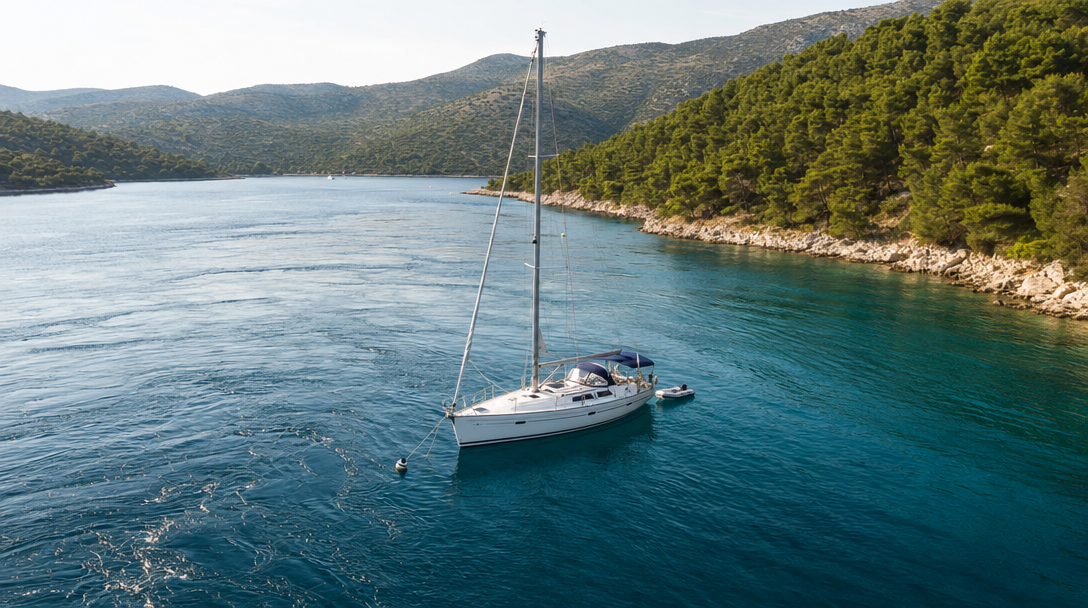
Upon arrival, the next question arises: where to safely leave the boat. Without going to a marina, you have to drop anchor. But this option requires constant attention. Shifting winds and currents can cause the yacht to shift, turn, and even make a full circle overnight.
Even specialized GPS software that records movement can be a challenge. Alarms can go off in the dead of night, forcing you to go on deck, assess the situation, and only then return to your cabin. There have been cases where boats have been torn from their moorings and washed aground by the current. Even if they avoid hitting rocks, this proves that abandoning a vessel unattended is impossible.
Mooring in busy areas, such as near major exhibitions like the Boat Show, presents its own challenges. The movement of other vessels causes waves, rocking the boat, and dragging the anchor along the bottom, forcing frequent changes of location. A restful sleep is rare in such conditions: waves come from both boats and the open sea.
- wind and current can change the position of the yacht;
- GPS alarm may require night testing;
- waves interfere with sleep and make the parking less comfortable;
- The walk on the shore is limited by the need to return to the boat.
The safety of a yacht at anchor is directly related to the restriction of personal freedom. You can reach the island by dinghy and explore, but disappearing for a day is impossible: a sudden deterioration in the weather could simply sweep the boat away. It's worth asking yourself in advance whether such a rigid attachment to the side of the boat is acceptable.
How a Marina and Autonomy Change the Yachting Budget
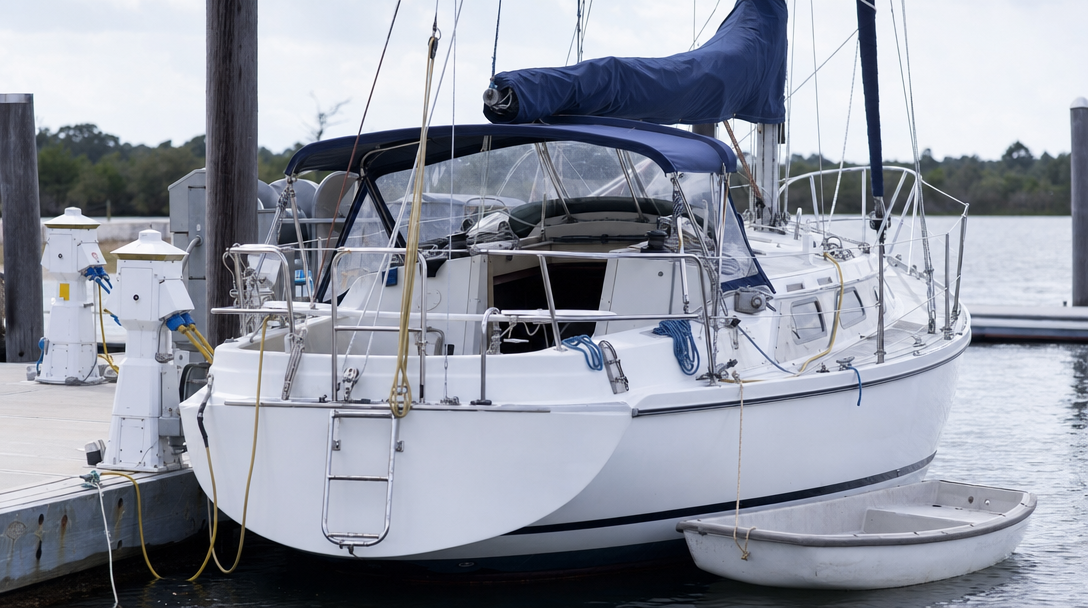
A marina solves most safety issues, but it creates a regular financial burden. For a 36-foot sailing yacht, the estimated cost of a berth varies between $20 and $60 per day. At an average rate of $30, a month of secure mooring costs approximately $900.
| Condition | An example from experience | What's changing in the budget? |
|---|---|---|
| The yacht is in the marina | 36-foot boat, estimated at $20-$60 per day | A regular fee for a safe berth is being introduced. |
| Parking for about a month | At a rate of $30 per day - about $900 | The cost must be taken into account separately from the purchase price of the boat. |
| Life on board | There is no need to rent a separate apartment; your belongings and wardrobe are stored on the yacht. | You can cut down on some of your household expenses if you travel less often. |
| Parking outside the marina | We need water, battery charging, fuel and a dinghy for communication with the shore. | Saving on the berth does not eliminate the costs of autonomy and the safety of things |
It's these details that determine the actual cost of yacht maintenance. You need to consider not only the purchase price of the vessel itself, but also the daily infrastructure. Living on board allows you to save on apartment rent, as the boat acts as a home. However, if you want to escape to the interior of the island for a week, you'll have to pay for berths to keep your belongings safe.
Outside marinas, especially where there are few other yachtsmen nearby, there's always a risk of theft of a dinghy or onboard equipment. Therefore, yachting expenses depend on how much time the crew spends onboard, how often they go ashore, and what resources are needed to ensure autonomy. Budgeting should be based on your travel schedule, rather than trying to find a one-size-fits-all budget.
Why weather and season limit routes and freedom
Sailing is only relaxing in favorable weather conditions. In winds of around 20 knots, the boat can accelerate to 7-8 knots, but it rolls heavily. In this position, cooking is difficult, moving around the deck is dangerous, and everyday activities are difficult. Anchoring also becomes less comfortable when the wind picks up.
The weather forecast has to be monitored constantly, both while underway and during stops. If the ship is at anchor and the sky is overcast, it's impossible to explore the island. This strict dependence on cyclones and squalls greatly limits the very freedom of movement that people often buy boats for.
Seasonality of the route and the need to plan your stop in advance
Itineraries are always tied to climate cycles. For example, in the Caribbean, a comfortable winter period gives way to a summer hurricane season. This leaves approximately four to five months for active cruising in this region. After that, you either have to take the vessel to other waters or find a reliable marina. Not every yachtsman is ready for a transatlantic crossing, and long-term storage of a yacht requires a substantial budget.
This seasonality is relevant for most waters. It's necessary to decide in advance where the boat will remain when the weather turns bad, and whether the owner will be able to stay near it. Ultimately, any voyage is dictated not only by the desire to see a new shore, but also by the calendar.
What it means to own a yacht every day
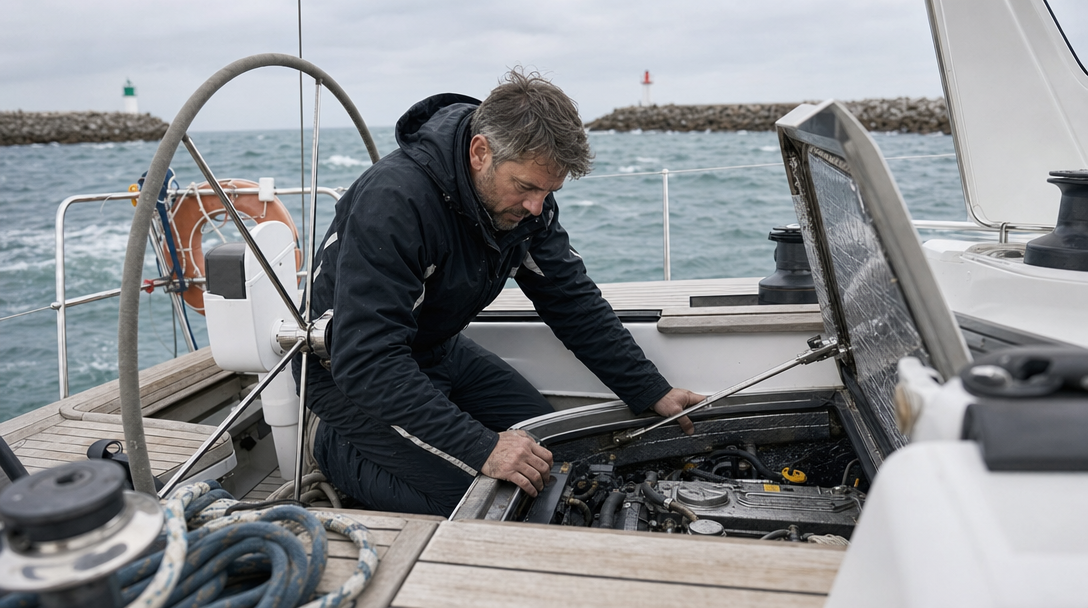
The main hidden cost of ownership is the constant responsibility for the technical aspects. Even new boats break down, and on older vessels, you have to listen for every unusual sound. Before every outing, you need to check components, look for scarce spare parts, and replace worn parts in advance.
The marine environment is harsh: saltwater quickly damages electronics, and ultraviolet radiation destroys ropes and sail fabric. Since repairs and components are expensive, it can be difficult to relax on board. The real downsides of yachting often lie precisely in this background anxiety and the need for daily maintenance.
A technical failure can occur at the most inopportune moment. There have been instances where the engine suddenly stalls while exiting a narrow channel near breakwaters. The wind blows in your face, the boat begins to toss and turn on the waves, and every second counts. While the skipper tries to restart the engine and pump the fuel, the vessel is inexorably driven onto the rocks. It is at such moments that the burden of responsibility is felt most acutely.
Being a guest on a yacht and being its full owner are two completely different things. A boat owner is required to handle repairs, inspections, and purchases precisely when they simply want to sunbathe or stroll around the city. Not everyone is prepared to maintain this constant vigil.
Who should rent a yacht instead of buying one?
A love of sailing doesn't necessarily mean buying a boat. There's always an alternative: joining someone else's crew, sharing the cost of food and fuel, but not being solely responsible for the vessel's storage and maintenance. This format allows you to thoroughly explore maritime life and understand your own experience without serious financial risks.
If you're tempted to own your own boat, a smart move might be to charter a yacht before buying or participate in a long voyage with experienced captains. Ask yourself these questions once you're on shore: can you handle long days in confined spaces? Are you prepared to be woken up in the night by anchor alarms? Can you handle the regular marina bills? Do you simply want to cruise the waters or are you truly prepared to work as a boat owner every day? Honest answers will save you from hasty spending and disappointment.